
-

About Us
Dongguan Mixiao New Material Technology Co., Ltd. was established in 2013 and is located in Changping Town, Dongguan City, the capital of manufacturing. It has strong independent development, design, and production capabilities, and produces products such as metal and non-metal product molds, automotive and motorcycle molds
-
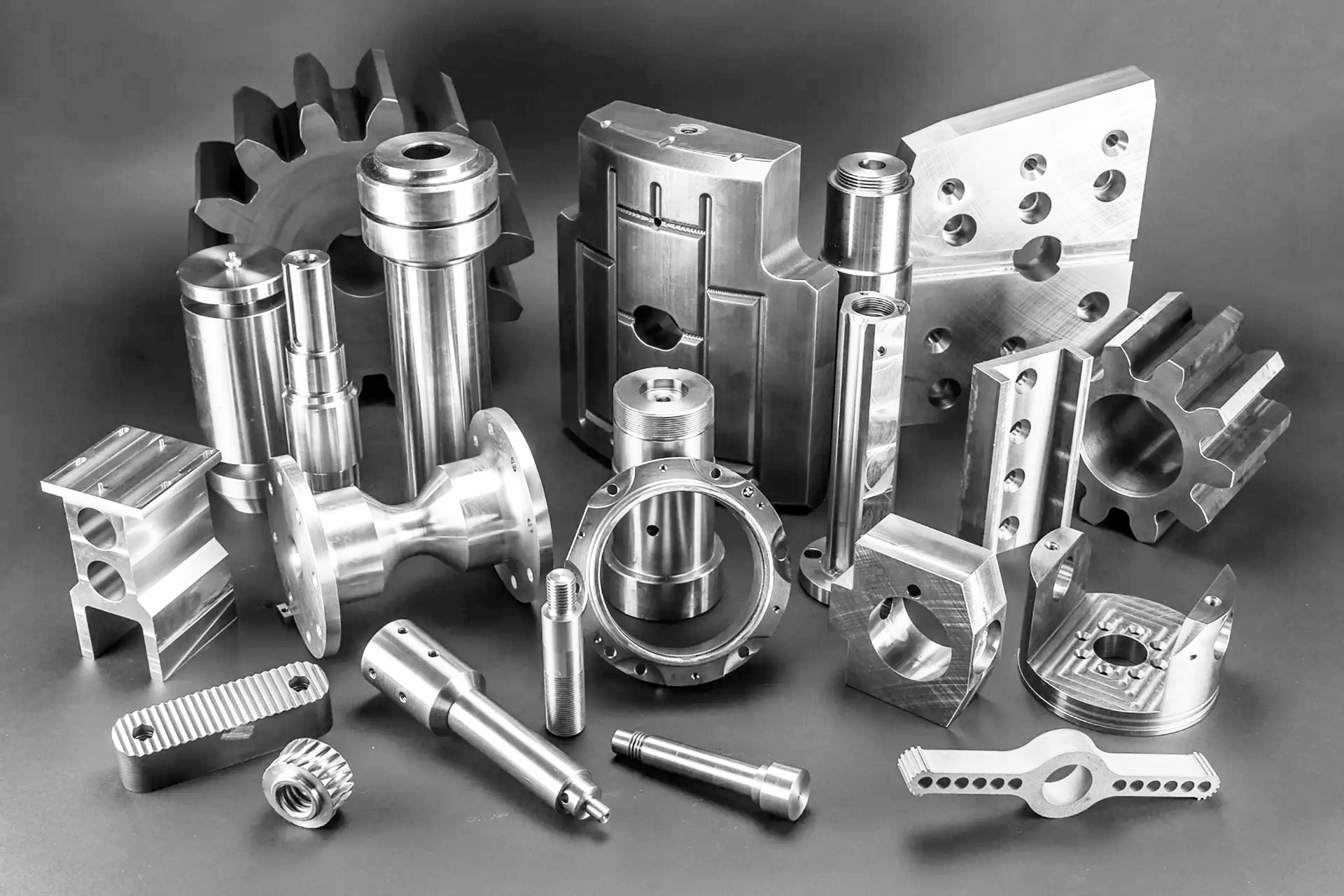
Products
Dongguan Mixiao New Material Technology Co., Ltd. was established in 2013 and is located in Changping Town, Dongguan City, the capital of manufacturing. It has strong independent development, design, and production capabilities, and produces products such as metal and non-metal product molds, automotive and motorcycle molds
-

Service
Dongguan Mixiao New Material Technology Co., Ltd. was established in 2013 and is located in Changping Town, Dongguan City, the capital of manufacturing. It has strong independent development, design, and production capabilities, and produces products such as metal and non-metal product molds, automotive and motorcycle molds
-

Blog
Dongguan Mixiao New Material Technology Co., Ltd. was established in 2013 and is located in Changping Town, Dongguan City, the capital of manufacturing. It has strong independent development, design, and production capabilities, and produces products such as metal and non-metal product molds, automotive and motorcycle molds
-

Contact us
Dongguan Mixiao New Material Technology Co., Ltd. was established in 2013 and is located in Changping Town, Dongguan City, the capital of manufacturing. It has strong independent development, design, and production capabilities, and produces products such as metal and non-metal product molds, automotive and motorcycle molds

Hard Alloy Sawtooth: A Game Changer for Machining Applications
Release time:
Feb 27,2026
Hard Alloy Sawtooth: A Game Changer for Machining Applications Table of Contents 1. Introduction to Hard Alloy Sawtooth Technology 2. What is Hard Alloy? 3. The Unique Design of Sawtooth Cutting Tools 4. Benefits of Using Hard Alloy Sawtooth in Machining 4.1 Enhanced Durability and Longevity 4.2 Superior Cutting Performance 4.3 Cost-Effectiveness in Manufacturing 5. Applications

Hard Alloy Sawtooth: A Game Changer for Machining Applications
Table of Contents
1. Introduction to Hard Alloy Sawtooth Technology
2. What is Hard Alloy?
3. The Unique Design of Sawtooth Cutting Tools
4. Benefits of Using Hard Alloy Sawtooth in Machining
4.1 Enhanced Durability and Longevity
4.2 Superior Cutting Performance
4.3 Cost-Effectiveness in Manufacturing
5. Applications of Hard Alloy Sawtooth in Various Industries
5.1 Automotive Industry
5.2 Aerospace Engineering
5.3 Electronics and Electrical Components
6. Comparison with Traditional Cutting Tools
7. Future Trends in Hard Alloy Sawtooth Technology
8. Frequently Asked Questions (FAQs)
9. Conclusion
1. Introduction to Hard Alloy Sawtooth Technology
In recent years, **Hard Alloy Sawtooth technology** has emerged as a pivotal innovation in the field of machining. This revolution is transforming how manufacturers approach cutting processes, leading to enhanced efficiency and productivity. With advancements in materials and design, Hard Alloy Sawtooth tools offer a significant edge over traditional cutting solutions. This article explores the intricacies of this technology and its implications for the manufacturing sector.
2. What is Hard Alloy?
**Hard alloys** are composite materials that combine various metals, such as tungsten, cobalt, and titanium, to achieve exceptional hardness and strength. These alloys are engineered to withstand high-stress environments and provide excellent wear resistance. The application of hard alloys in cutting tools is a game changer, enabling manufacturers to tackle challenging materials with ease and precision.
3. The Unique Design of Sawtooth Cutting Tools
The **sawtooth design** in cutting tools refers to the specific geometry of the tool edge, which is crafted to improve the cutting process. The serrated shape allows for efficient chip removal and reduces cutting friction. This design not only enhances the tool's effectiveness but also minimizes heat generation during machining, resulting in improved overall performance. The combination of hard alloy material and sawtooth geometry makes these tools exceptionally effective for various machining applications.
4. Benefits of Using Hard Alloy Sawtooth in Machining
Utilizing Hard Alloy Sawtooth tools presents numerous advantages that can significantly impact manufacturing operations.
4.1 Enhanced Durability and Longevity
Hard Alloy Sawtooth tools are designed to withstand the rigors of machining processes. Their enhanced durability results from the hard alloy's resistance to wear and tear, allowing these tools to maintain their cutting edges for extended periods. As a result, manufacturers experience fewer tool replacements, leading to reduced downtime and increased productivity.
4.2 Superior Cutting Performance
The unique design of Hard Alloy Sawtooth tools provides superior cutting performance compared to traditional straight-edged tools. The sawtooth geometry ensures efficient material removal, enabling faster cutting speeds and smoother finishes. This performance boost is particularly beneficial when working with tough materials, where precision and efficiency are paramount.
4.3 Cost-Effectiveness in Manufacturing
While the initial investment in Hard Alloy Sawtooth tools may be higher than standard options, the long-term savings are significant. The combination of reduced tool wear, enhanced cutting efficiency, and lower maintenance requirements translates into lower overall production costs. Manufacturers can achieve a higher return on investment by optimizing their machining processes with these innovative tools.
5. Applications of Hard Alloy Sawtooth in Various Industries
The versatility of Hard Alloy Sawtooth technology allows for its application across numerous industries, each benefitting from its unique properties.
5.1 Automotive Industry
In the automotive sector, precision machining is critical for producing components that meet stringent safety and performance standards. Hard Alloy Sawtooth tools enable manufacturers to achieve the high tolerances required for engine parts, transmission systems, and more. The durability of these tools ensures reliable performance even in high-volume production environments.
5.2 Aerospace Engineering
The aerospace industry demands extreme precision and reliability. Hard Alloy Sawtooth tools are ideal for machining lightweight materials such as titanium and aluminum, commonly used in aircraft manufacturing. Their superior cutting performance ensures that components meet the high safety standards required in aviation.
5.3 Electronics and Electrical Components
The electronics sector relies on cutting tools capable of precision machining of intricate parts. Hard Alloy Sawtooth tools provide the accuracy needed for producing circuit boards and other electronic components, ensuring optimal performance and reliability in final products.
6. Comparison with Traditional Cutting Tools
When comparing Hard Alloy Sawtooth tools to traditional cutting tools, several key differences emerge. Traditional tools often struggle with heat generation and tool wear, leading to frequent replacements and downtime. In contrast, Hard Alloy Sawtooth tools maintain their cutting edge longer and operate more efficiently, providing a clear advantage in terms of both performance and cost-efficiency.
7. Future Trends in Hard Alloy Sawtooth Technology
As technology continues to advance, the future of Hard Alloy Sawtooth tools looks promising. Innovations in material science may lead to even harder alloys and improved cutting geometries. Additionally, advancements in manufacturing techniques, such as additive manufacturing and CNC machining, will further enhance the capabilities and applications of these tools, making them indispensable in modern machining processes.
8. Frequently Asked Questions (FAQs)
What are Hard Alloy Sawtooth tools?
Hard Alloy Sawtooth tools are cutting tools made from hard alloys featuring a serrated edge design, optimized for high-performance machining.
What industries benefit from Hard Alloy Sawtooth technology?
Industries such as automotive, aerospace, and electronics benefit significantly from the precision and efficiency offered by Hard Alloy Sawtooth tools.
How do Hard Alloy Sawtooth tools compare to traditional tools?
Hard Alloy Sawtooth tools generally offer superior durability, cutting performance, and cost-effectiveness compared to traditional cutting tools.
Are Hard Alloy Sawtooth tools suitable for all materials?
While they excel in machining tough materials, Hard Alloy Sawtooth tools can be utilized on a variety of materials, including metals and composites.
What future advancements can we expect in Hard Alloy Sawtooth technology?
Future advancements may include improved materials, cutting geometries, and manufacturing techniques that will enhance the performance and application scope of Hard Alloy Sawtooth tools.
9. Conclusion
In conclusion, **Hard Alloy Sawtooth technology** is undeniably a game changer in machining applications. Its unique combination of durability, superior cutting performance, and cost-effectiveness positions it as a vital tool for modern manufacturers. As industries continue to evolve, the adoption of Hard Alloy Sawtooth tools will likely increase, paving the way for more efficient and precise manufacturing processes. Investing in this technology not only enhances productivity but also assures quality and reliability in production.

SAF Coolest v1.3.1.2 设置面板 GAGSD-ZGYF-JVZFE-ASQ
无数据提示
Sorry, the current column is being updated, please look forward to it!
You can view other columns or returnHome Page