
-
About Us
Dongguan Mixiao New Material Technology Co., Ltd. was established in 2013 and is located in Changping Town, Dongguan City, the capital of manufacturing. It has strong independent development, design, and production capabilities, and produces products such as metal and non-metal product molds, automotive and motorcycle molds
-
Products
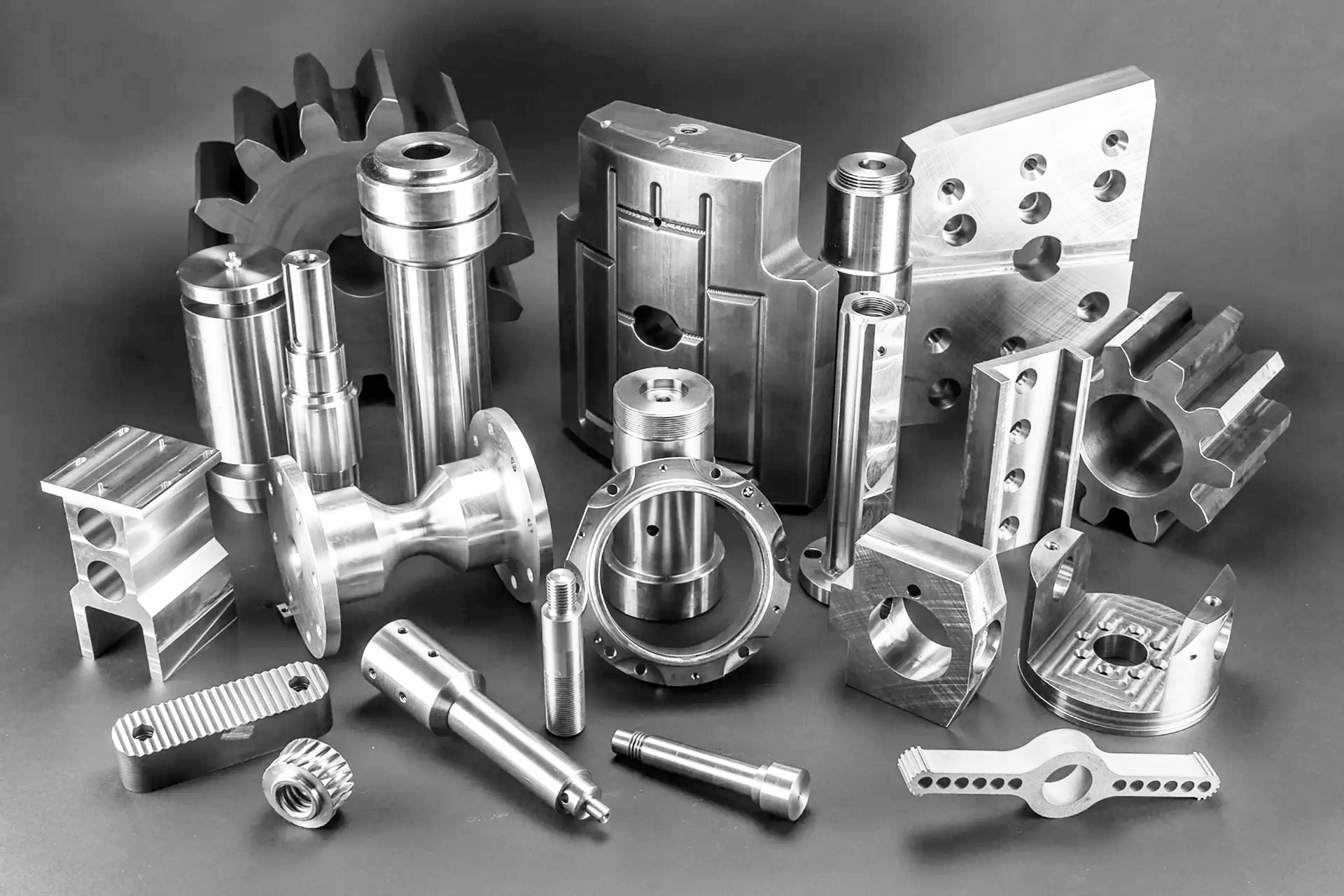
Dongguan Mixiao New Material Technology Co., Ltd. was established in 2013 and is located in Changping Town, Dongguan City, the capital of manufacturing. It has strong independent development, design, and production capabilities, and produces products such as metal and non-metal product molds, automotive and motorcycle molds
-

Service
Dongguan Mixiao New Material Technology Co., Ltd. was established in 2013 and is located in Changping Town, Dongguan City, the capital of manufacturing. It has strong independent development, design, and production capabilities, and produces products such as metal and non-metal product molds, automotive and motorcycle molds
-

Blog
Dongguan Mixiao New Material Technology Co., Ltd. was established in 2013 and is located in Changping Town, Dongguan City, the capital of manufacturing. It has strong independent development, design, and production capabilities, and produces products such as metal and non-metal product molds, automotive and motorcycle molds
-

Contact us
Dongguan Mixiao New Material Technology Co., Ltd. was established in 2013 and is located in Changping Town, Dongguan City, the capital of manufacturing. It has strong independent development, design, and production capabilities, and produces products such as metal and non-metal product molds, automotive and motorcycle molds

3D Printing Nozzles: Navigating the Options for Your Industry Needs
Release time:
Feb 25,2026
3D Printing Nozzles: Navigating the Options for Your Industry Needs Table of Contents Introduction to 3D Printing Nozzles Understanding Different Types of 3D Printing Nozzles Standard Nozzles Specialty Nozzles Materials Compatibility with 3D Printing Nozzles Choosing the Right Nozzle for Your Application Maintaining Your 3D Printing No

3D Printing Nozzles: Navigating the Options for Your Industry Needs
Table of Contents
- Introduction to 3D Printing Nozzles
- Understanding Different Types of 3D Printing Nozzles
- Materials Compatibility with 3D Printing Nozzles
- Choosing the Right Nozzle for Your Application
- Maintaining Your 3D Printing Nozzles
- Common Issues and Solutions with 3D Printing Nozzles
- Future Trends in 3D Printing Nozzles
- FAQs About 3D Printing Nozzles
- Conclusion
Introduction to 3D Printing Nozzles
The evolution of **3D printing technology** has transformed various industries, including **manufacturing**, **machining**, and **mold-making**. At the heart of this technology is the **3D printing nozzle**, a critical component that affects the quality, speed, and precision of the printing process. Selecting the appropriate nozzle is essential for achieving optimal results tailored to specific applications.
In this article, we will delve into the complexities of 3D printing nozzles, discuss their types and materials compatibility, and offer guidance on choosing, maintaining, and troubleshooting nozzles to meet your unique industry needs.
Understanding Different Types of 3D Printing Nozzles
3D printing nozzles come in various shapes and sizes, each designed for specific applications and materials. Understanding the differences can significantly impact your printing efficiency and output quality.
Standard Nozzles
Standard nozzles are the most frequently used in 3D printing. They come in various diameters, typically ranging from **0.2 mm to 1.0 mm**, with the **0.4 mm** nozzle being the most common choice. These nozzles are suitable for a wide range of materials and provide a good balance between speed and detail.
- **Advantages of Standard Nozzles**:
- Versatility across different materials
- Suitable for most general-purpose printing tasks
- Good detail resolution
Specialty Nozzles
Specialty nozzles serve unique purposes and work effectively with specific materials. These nozzles include options like **high-temperature nozzles**, **wear-resistant nozzles**, and **multi-material nozzles**.
- **High-Temperature Nozzles**: Designed to withstand elevated temperatures for printing with advanced materials like **PEEK** and **ULTEM**.
- **Wear-Resistant Nozzles**: Made from hardened materials to withstand abrasive filaments such as **carbon fiber-infused** or **metal-filled** plastics.
- **Multi-Material Nozzles**: Allow for printing with multiple materials in one job, enhancing design possibilities.
Materials Compatibility with 3D Printing Nozzles
The materials you choose for your 3D printing project significantly influence nozzle selection. Each material has unique properties that affect flow rates, temperature requirements, and nozzle wear.
- **PLA (Polylactic Acid)**: Compatible with standard nozzles; ideal for beginners due to its ease of use and low printing temperature.
- **ABS (Acrylonitrile Butadiene Styrene)**: Requires higher temperatures, making high-temperature nozzles a better choice for optimal results.
- **PETG (Glycol-Modified PET)**: Offers strength and flexibility, suitable for standard nozzles but may require higher temperatures for best adhesion.
- **Nylon**: Requires specialized nozzles due to its high abrasion characteristics and requires precise temperature control.
- **TPU (Thermoplastic Polyurethane)**: A flexible filament requiring careful handling and can benefit from wider nozzle diameters for smoother extrusion.
Understanding the compatibility of materials with nozzles ensures that you achieve the best performance and longevity from both the nozzle and the filament.
Choosing the Right Nozzle for Your Application
Selecting the right nozzle is crucial for the success of your 3D printing projects. Consider the following factors when making your choice:
- **Diameter**: Larger diameters (e.g., 0.6 mm and above) increase filament flow, reducing printing time but sacrificing detail. Smaller diameters (e.g., 0.2 mm) enhance detail at the cost of speed.
- **Material**: Choose nozzles that suit the specific material you plan to use, especially for abrasive filaments.
- **Print Resolution**: Higher resolution prints require smaller nozzles, while lower resolution prints can be efficiently achieved with larger nozzles.
- **Print Speed**: If speed is your priority, larger nozzles can help, but they may compromise the level of detail.
Understanding these parameters will guide you toward making the best nozzle selection for your specific industrial application.
Maintaining Your 3D Printing Nozzles
Routine maintenance of 3D printing nozzles is essential to ensure optimal performance and longevity. Follow these tips for effective nozzle maintenance:
- **Regular Cleaning**: Use a nozzle cleaning tool or a **cold pull** technique to remove any blockages and debris.
- **Temperature Calibration**: Ensure your printer's temperature settings are calibrated correctly to prevent clogs and overheating.
- **Inspection**: Periodically check nozzles for wear and tear, especially if using abrasive materials, and replace them when necessary.
- **Storage**: Store nozzles in a dry and clean environment to avoid moisture absorption and contamination.
Investing time in maintenance can significantly enhance the lifespan and performance of your 3D printing nozzles.
Common Issues and Solutions with 3D Printing Nozzles
Even with the best practices, issues with 3D printing nozzles can occur. Here are some common problems and their solutions:
- **Clogs**: Clogs can be caused by dust, debris, or incorrect temperature settings. Regular cleaning and proper maintenance can help avoid this issue.
- **Under-extrusion**: This occurs when the printer is not pushing enough filament through the nozzle. Check for clogs, ensure the filament path is clear, and calibrate the printer settings.
- **Over-extrusion**: This happens when too much filament is extruded. It can be resolved by adjusting the flow rate and ensuring the nozzle diameter matches the settings in your slicer software.
- **Layer Adhesion Issues**: Layer adhesion can be affected by nozzle temperature and speed. Ensure that you're using the right nozzle for the material and adjust temperature settings accordingly.
By keeping an eye on these common problems, you can minimize disruptions and maintain print quality.
Future Trends in 3D Printing Nozzles
The landscape of 3D printing nozzles is continuously evolving with advancements in technology. Emerging trends include:
- **Smart Nozzles**: These incorporate sensors and adaptive technologies that adjust temperature, flow, and pressure in real time for optimal printing conditions.
- **Multi-Material Capabilities**: Future nozzles are increasingly designed to handle multiple types of filaments, allowing for more complex designs and functionalities.
- **Sustainability**: The development of biodegradable and sustainable nozzle materials is gaining traction as the industry moves toward more environmentally friendly practices.
Staying updated on these trends will keep your printing solutions relevant and efficient.
FAQs About 3D Printing Nozzles
1. What size nozzle should I use for my 3D printing project?
The size of the nozzle depends on your project requirements. For detailed prints, use a smaller diameter (e.g., 0.2 mm), whereas larger nozzles (e.g., 0.6 mm) are better for faster prints with less detail.
2. Can I use a standard nozzle for all materials?
While standard nozzles work for many materials, abrasive filaments and high-temperature materials require specialty nozzles for optimal performance.
3. How do I clean a clogged nozzle?
You can use a nozzle cleaning tool or perform a cold pull technique to remove clogs. Regular maintenance can also help prevent clogs from forming.
4. How often should I replace my 3D printing nozzles?
The replacement frequency depends on usage and the materials you print with. Inspect your nozzles regularly, especially when using abrasive filaments, and replace them if you notice significant wear.
5. What is the best way to maintain my 3D printing nozzles?
Regular cleaning, proper temperature calibration, and routine inspections are vital for maintaining your nozzles. Always store them in a clean, dry environment.
Conclusion
Selecting the right **3D printing nozzle** is crucial for achieving high-quality prints that meet the demands of your manufacturing, machining, and mold-making applications. Understanding the different types of nozzles, their compatibility with various materials, and the best practices for maintenance will empower you to make informed decisions that enhance your 3D printing capabilities. As technology continues to evolve, staying ahead of trends in nozzle design and functionality will further position your projects for success. By investing in quality nozzles and understanding their intricacies, you will unlock new possibilities in your industrial applications.

SAF Coolest v1.3.1.2 设置面板 GAGSD-ZGYF-JVZFE-ASQ
无数据提示
Sorry, the current column is being updated, please look forward to it!
You can view other columns or returnHome Page