
-

About Us
Dongguan Mixiao New Material Technology Co., Ltd. was established in 2013 and is located in Changping Town, Dongguan City, the capital of manufacturing. It has strong independent development, design, and production capabilities, and produces products such as metal and non-metal product molds, automotive and motorcycle molds
-
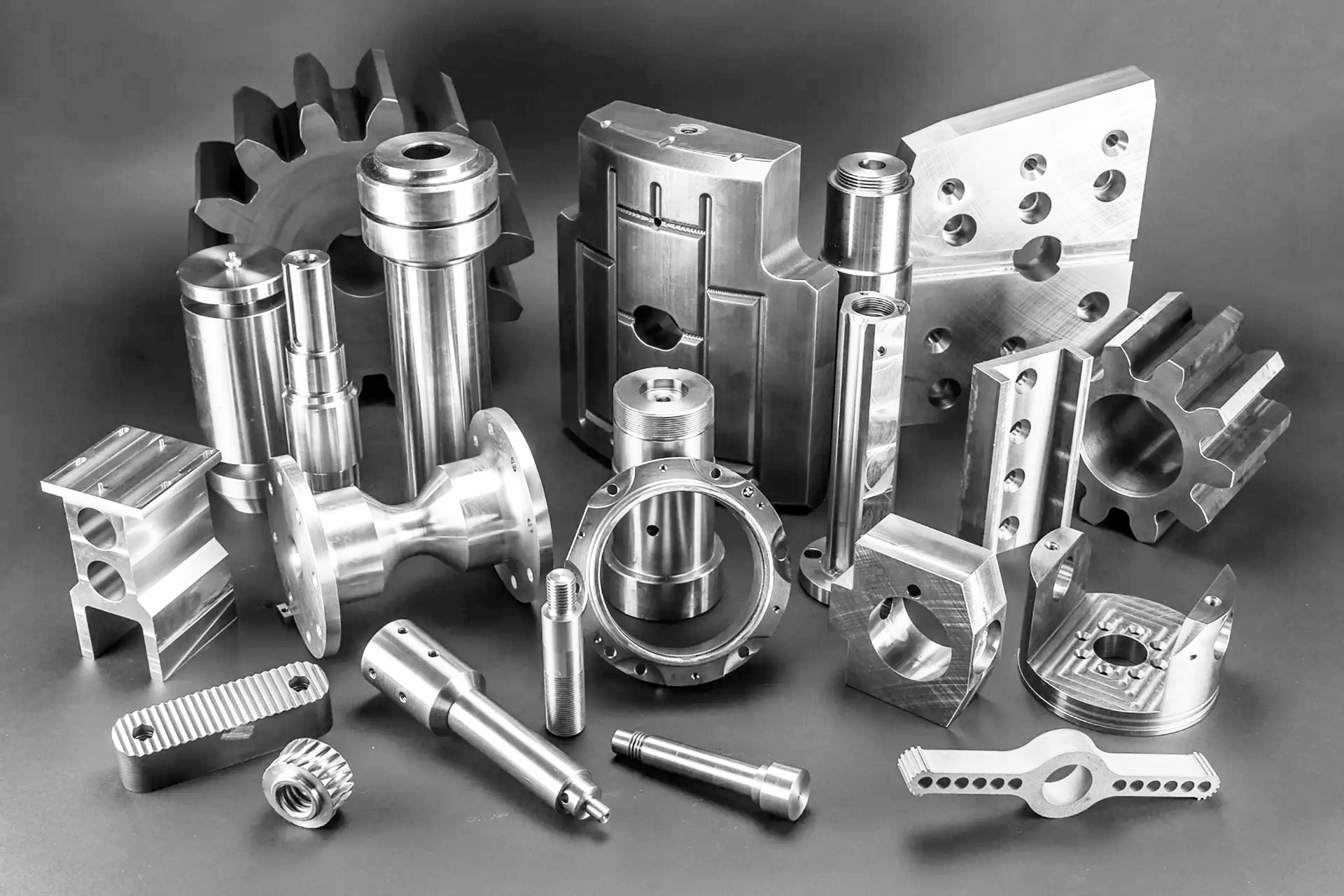
Products
Dongguan Mixiao New Material Technology Co., Ltd. was established in 2013 and is located in Changping Town, Dongguan City, the capital of manufacturing. It has strong independent development, design, and production capabilities, and produces products such as metal and non-metal product molds, automotive and motorcycle molds
-

Service
Dongguan Mixiao New Material Technology Co., Ltd. was established in 2013 and is located in Changping Town, Dongguan City, the capital of manufacturing. It has strong independent development, design, and production capabilities, and produces products such as metal and non-metal product molds, automotive and motorcycle molds
-

Blog
Dongguan Mixiao New Material Technology Co., Ltd. was established in 2013 and is located in Changping Town, Dongguan City, the capital of manufacturing. It has strong independent development, design, and production capabilities, and produces products such as metal and non-metal product molds, automotive and motorcycle molds
-

Contact us
Dongguan Mixiao New Material Technology Co., Ltd. was established in 2013 and is located in Changping Town, Dongguan City, the capital of manufacturing. It has strong independent development, design, and production capabilities, and produces products such as metal and non-metal product molds, automotive and motorcycle molds

Optimizing Rotating Shafts for Beauty Devices: Key Considerations for Manufacturers
Release time:
Feb 22,2026
In the realm of manufacturing, particularly in the production of beauty devices, the rotating shaft plays a pivotal role. These components are fundamental to the functionality of various beauty equipment, including electric facial cleansing brushes, hair styling tools, and massage devices. Thus, an understanding of the design and production considerations for rotating shafts is essential for any m

One of the primary considerations in designing a rotating shaft for beauty devices is the material selection. Rotating shafts must exhibit high strength, durability, and resistance to wear and corrosion. Common materials include stainless steel and high-grade plastics, which provide the necessary balance between flexibility and rigidity. It’s essential for manufacturers to evaluate the specific operational conditions of the beauty device when selecting materials to ensure optimal performance.
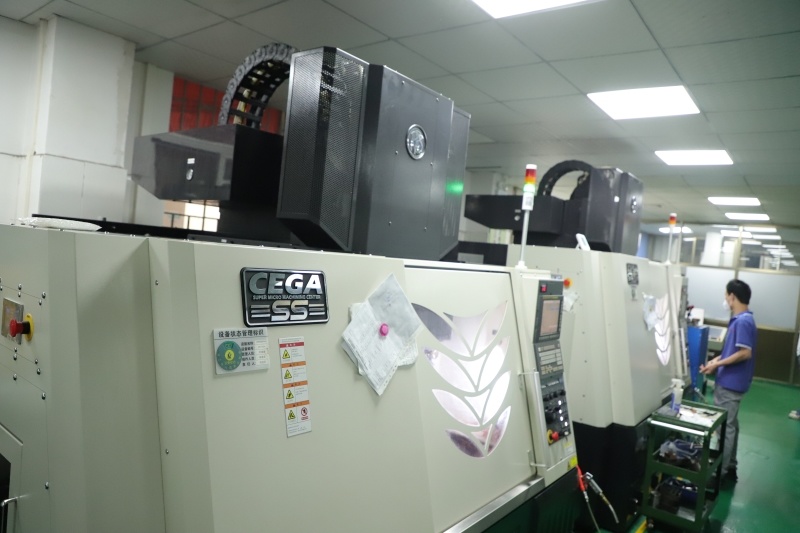
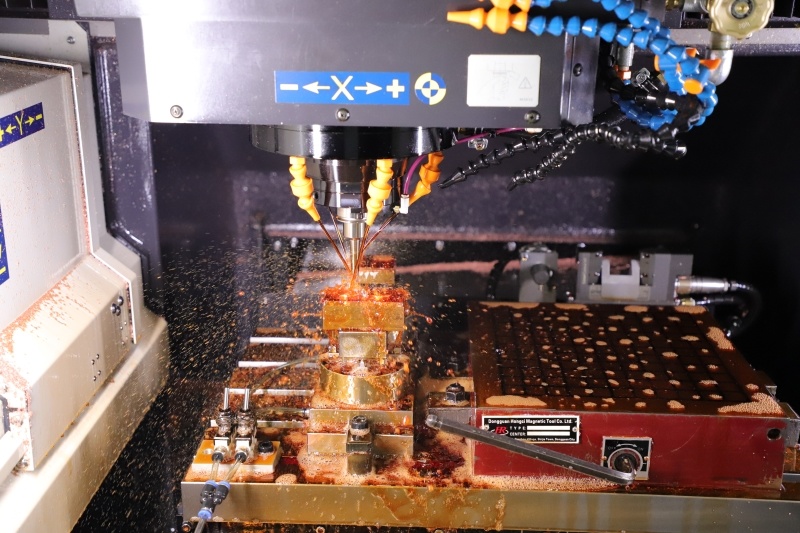
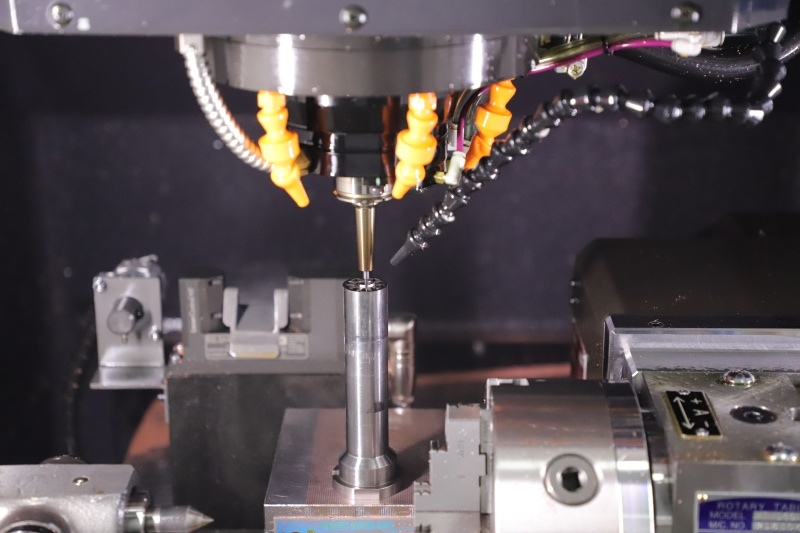
Additionally, precision engineering is vital in the production of these shafts. The tolerances for rotating shafts must be exceptionally tight to ensure smooth operation and minimize vibrations. This requires advanced machining techniques and quality control measures during the manufacturing process. Techniques such as CNC machining can offer the precision needed to create high-quality rotating shafts that meet the stringent demands of the beauty device industry.
Another important factor is the shaft’s design. The geometry of the shaft, including its length, diameter, and shape, must be meticulously crafted to match the intended application. For instance, shafts that are too thick may add unnecessary weight, impacting the user experience, while those that are too thin may not withstand operational stress. Therefore, collaborating closely with design engineers can lead to the development of optimized rotating shafts that enhance the overall efficiency of the beauty devices.
Vibration and noise reduction are also critical aspects that should not be overlooked. The design of the rotating shaft must take into account the balance and alignment, as misalignments can lead to increased wear and premature failure. Implementing effective balancing techniques during manufacturing can mitigate these issues, ensuring that the beauty devices operate quietly and efficiently.
Lastly, it is essential for manufacturers to stay abreast of evolving trends and technologies within the beauty industry. As consumer preferences change and new technologies emerge, the design requirements for rotating shafts may also shift. Regularly engaging with industry research and development can provide valuable insights that inform design and production strategies, ultimately leading to better product outcomes.
In summary, the production of rotating shafts for beauty devices encompasses various critical factors, including material selection, precision engineering, design optimization, and noise reduction techniques. By focusing on these elements, manufacturers can ensure that their products not only meet industry standards but also exceed consumer expectations.

SAF Coolest v1.3.1.2 设置面板 GAGSD-ZGYF-JVZFE-ASQ
无数据提示
Sorry, the current column is being updated, please look forward to it!
You can view other columns or returnHome Page