
-

About Us
Dongguan Mixiao New Material Technology Co., Ltd. was established in 2013 and is located in Changping Town, Dongguan City, the capital of manufacturing. It has strong independent development, design, and production capabilities, and produces products such as metal and non-metal product molds, automotive and motorcycle molds
-
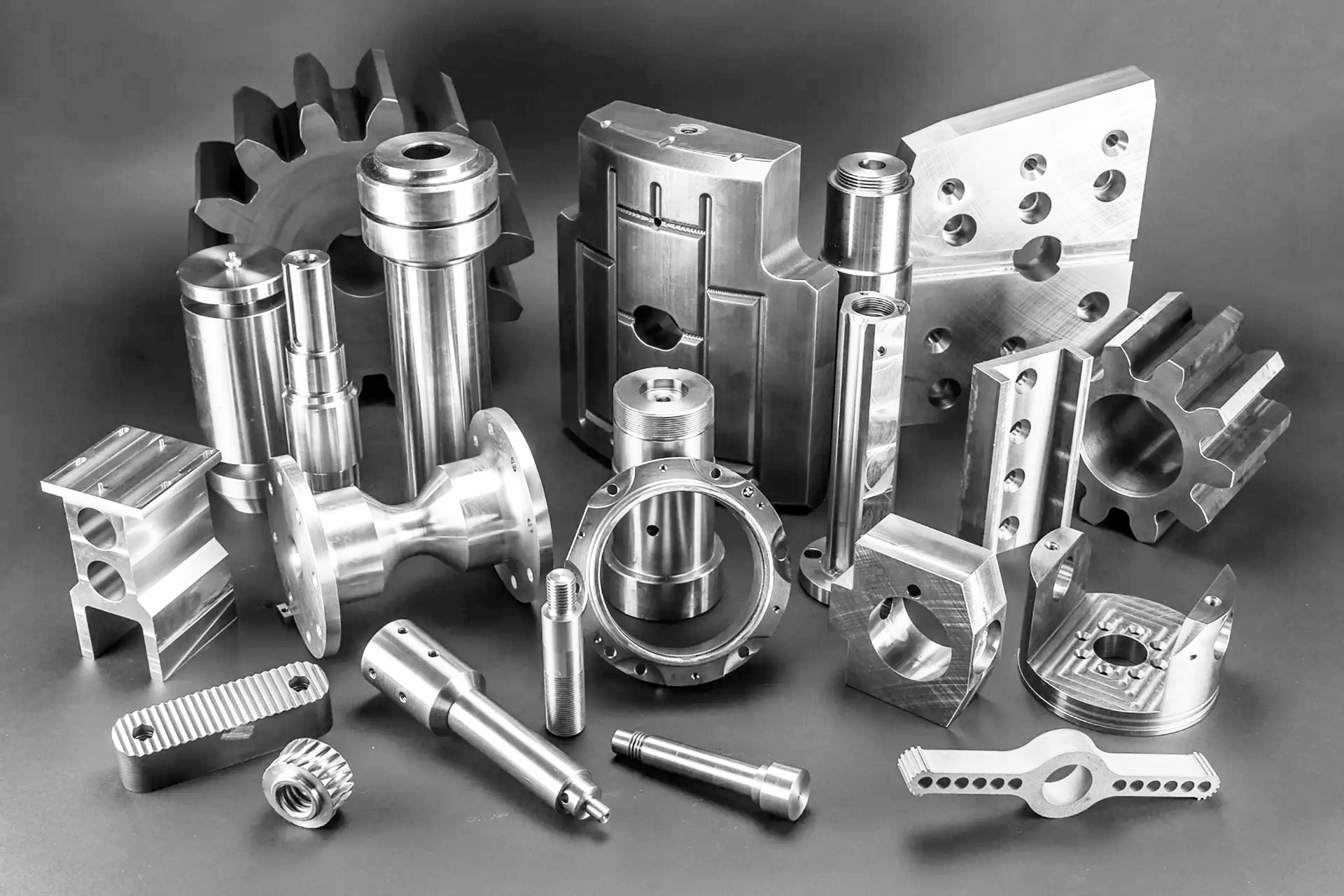
Products
Dongguan Mixiao New Material Technology Co., Ltd. was established in 2013 and is located in Changping Town, Dongguan City, the capital of manufacturing. It has strong independent development, design, and production capabilities, and produces products such as metal and non-metal product molds, automotive and motorcycle molds
-

Service
Dongguan Mixiao New Material Technology Co., Ltd. was established in 2013 and is located in Changping Town, Dongguan City, the capital of manufacturing. It has strong independent development, design, and production capabilities, and produces products such as metal and non-metal product molds, automotive and motorcycle molds
-

Blog
Dongguan Mixiao New Material Technology Co., Ltd. was established in 2013 and is located in Changping Town, Dongguan City, the capital of manufacturing. It has strong independent development, design, and production capabilities, and produces products such as metal and non-metal product molds, automotive and motorcycle molds
-

Contact us
Dongguan Mixiao New Material Technology Co., Ltd. was established in 2013 and is located in Changping Town, Dongguan City, the capital of manufacturing. It has strong independent development, design, and production capabilities, and produces products such as metal and non-metal product molds, automotive and motorcycle molds

The Benefits of Using Hard Alloy Sawtooth in Forging Molds: A Comprehensive Guide
Release time:
Feb 19,2026
The Benefits of Using Hard Alloy Sawtooth in Forging Molds Table of Contents 1. Introduction to Hard Alloy Sawtooth Technology 2. What is Hard Alloy Sawtooth? 3. Advantages of Using Hard Alloy Sawtooth in Forging Molds - 3.1 Exceptional Durability and Longevity - 3.2 Enhanced Precision and Surface Finish - 3.3 Cost-Effectiveness in Manufacturing 4. Applications of Hard Alloy Sawtooth in F

The Benefits of Using Hard Alloy Sawtooth in Forging Molds
Table of Contents
1. Introduction to Hard Alloy Sawtooth Technology
2. What is Hard Alloy Sawtooth?
3. Advantages of Using Hard Alloy Sawtooth in Forging Molds
- 3.1 Exceptional Durability and Longevity
- 3.2 Enhanced Precision and Surface Finish
- 3.3 Cost-Effectiveness in Manufacturing
4. Applications of Hard Alloy Sawtooth in Forging
5. Comparing Hard Alloy Sawtooth with Alternative Materials
6. Best Practices for Implementing Hard Alloy Sawtooth
7. Frequently Asked Questions
8. Conclusion
Introduction to Hard Alloy Sawtooth Technology
In the realm of manufacturing, **forging molds** are critical components that dictate the quality and precision of finished products. The introduction of **hard alloy sawtooth** technology offers manufacturers a significant competitive edge. This article delves into the myriad benefits of utilizing hard alloy sawtooth in forging molds, showcasing its impact on durability, precision, and overall production efficiency.
What is Hard Alloy Sawtooth?
Hard alloy sawtooth refers to a specialized material design characterized by its serrated edges and robust composition, often employed in forging molds. This unique architecture enhances the mold's ability to withstand extreme conditions, including high temperatures and pressures encountered during the forging process. The sawtooth design not only provides structural integrity but also facilitates improved material flow, contributing to superior final products.
Advantages of Using Hard Alloy Sawtooth in Forging Molds
The integration of hard alloy sawtooth in forging molds offers several distinct advantages, which are elaborated upon below.
Exceptional Durability and Longevity
One of the most significant benefits of using hard alloy sawtooth in forging molds is its **exceptional durability**. Hard alloys are designed to withstand wear and tear from repeated usage, which is crucial in high-volume production environments. The **sawtooth structure** contributes to this durability by distributing stress more evenly across the mold, reducing the risk of cracking or deformation.
Furthermore, hard alloy sawtooth molds demonstrate a longer lifespan compared to traditional molds. This durability translates to fewer replacements and repairs, ultimately leading to significant cost savings over time. Manufacturers can rely on these molds for prolonged periods without compromising the quality of their products.
Enhanced Precision and Surface Finish
Precision is paramount in the manufacturing industry, and hard alloy sawtooth molds excel in this regard. The serrated design enhances **material flow**, ensuring that molten metal fills every intricate detail of the mold. This results in superior surface finishes and dimensional accuracy, which are essential for producing high-quality products.
Moreover, the consistent performance of hard alloy sawtooth molds allows for repeatability in production. This means that manufacturers can expect uniform results across multiple batches, reducing variability and enhancing product reliability.
Cost-Effectiveness in Manufacturing
While the initial investment in hard alloy sawtooth technology may be higher than traditional mold materials, the long-term **cost-effectiveness** is undeniable. The durability and extended lifespan of these molds lead to reduced maintenance costs and fewer replacements. In addition, the enhanced precision minimizes material wastage, further contributing to cost savings.
Manufacturers adopting hard alloy sawtooth molds often experience improved throughput and productivity. This increase in efficiency can offset initial costs, making it a financially sound choice for businesses aiming for growth and sustainability.
Applications of Hard Alloy Sawtooth in Forging
Hard alloy sawtooth molds find applications across various industries due to their versatility and performance. Some notable applications include:
1. **Automotive Manufacturing**: In the automotive sector, hard alloy sawtooth molds are used to produce components that require high strength and tight tolerances, such as gears and crankshafts.
2. **Aerospace Components**: The aerospace industry benefits from the lightweight yet durable nature of hard alloy sawtooth molds, which are used to fabricate parts that must withstand extreme conditions.
3. **Consumer Electronics**: In the production of electronic devices, the precision offered by these molds ensures that intricate designs are accurately reproduced, meeting the high standards of the industry.
4. **Industrial Equipment**: Heavy machinery and equipment often necessitate robust components that can endure harsh operating conditions, making hard alloy sawtooth molds an ideal choice.
Comparing Hard Alloy Sawtooth with Alternative Materials
When considering materials for forging molds, it is essential to compare hard alloy sawtooth with alternatives such as steel and aluminum. While steel molds are known for their strength, they may not offer the same level of wear resistance as hard alloys. Aluminum molds, on the other hand, are lightweight but can lack the durability required for high-volume production.
Hard alloy sawtooth molds strike an optimal balance between strength, durability, and precision, making them a superior choice in many applications. Their unique design and composition grant them advantages that traditional materials cannot match.
Best Practices for Implementing Hard Alloy Sawtooth
To maximize the benefits of hard alloy sawtooth molds, manufacturers should adhere to several best practices:
1. **Proper Maintenance**: Regular inspection and maintenance of molds will ensure they remain in optimal condition. Cleaning and lubricating the molds can prevent premature wear.
2. **Temperature Control**: Maintaining appropriate temperature levels during the forging process is crucial. Excessive heat can compromise the mold's integrity, while too low temperatures can lead to poor material flow.
3. **Training for Operators**: Ensuring that operators are adequately trained in the use of hard alloy sawtooth molds can enhance safety and productivity. Understanding the unique characteristics of these molds allows for better handling and operation.
4. **Material Compatibility**: Assessing the compatibility of materials with hard alloy sawtooth molds is essential. Using materials that complement the mold's properties can optimize performance and results.
Frequently Asked Questions
1. **What is hard alloy sawtooth made of?**
Hard alloy sawtooth is composed of high-strength materials designed to withstand extreme conditions, often including tungsten carbide and other alloying elements for enhanced durability.
2. **How do hard alloy sawtooth molds improve precision?**
The serrated design of hard alloy sawtooth molds allows for improved material flow, ensuring intricate details are accurately filled, resulting in superior surface finishes and dimensional accuracy.
3. **What industries benefit the most from hard alloy sawtooth molds?**
Industries such as automotive, aerospace, consumer electronics, and industrial equipment manufacturing benefit significantly from the durability and precision of hard alloy sawtooth molds.
4. **Are hard alloy sawtooth molds more expensive than traditional molds?**
While the initial investment may be higher, the long-term cost-effectiveness due to durability and reduced maintenance makes hard alloy sawtooth molds a financially sound choice.
5. **What maintenance is required for hard alloy sawtooth molds?**
Regular inspections, cleaning, and lubrication are necessary to maintain the molds in optimal condition and prolong their lifespan.
Conclusion
The integration of **hard alloy sawtooth** technology into forging molds presents numerous benefits, including exceptional durability, enhanced precision, and cost-effectiveness. As industries continue to demand higher quality standards and efficiency, adopting hard alloy sawtooth molds becomes a strategic decision for manufacturers. By embracing this innovative technology, businesses can elevate their production processes, reduce costs, and achieve superior results in their forging operations.

SAF Coolest v1.3.1.2 设置面板 GAGSD-ZGYF-JVZFE-ASQ
无数据提示
Sorry, the current column is being updated, please look forward to it!
You can view other columns or returnHome Page