
-
About Us
Dongguan Mixiao New Material Technology Co., Ltd. was established in 2013 and is located in Changping Town, Dongguan City, the capital of manufacturing. It has strong independent development, design, and production capabilities, and produces products such as metal and non-metal product molds, automotive and motorcycle molds
-
Products
Dongguan Mixiao New Material Technology Co., Ltd. was established in 2013 and is located in Changping Town, Dongguan City, the capital of manufacturing. It has strong independent development, design, and production capabilities, and produces products such as metal and non-metal product molds, automotive and motorcycle molds
-

Service
Dongguan Mixiao New Material Technology Co., Ltd. was established in 2013 and is located in Changping Town, Dongguan City, the capital of manufacturing. It has strong independent development, design, and production capabilities, and produces products such as metal and non-metal product molds, automotive and motorcycle molds
-

Blog
Dongguan Mixiao New Material Technology Co., Ltd. was established in 2013 and is located in Changping Town, Dongguan City, the capital of manufacturing. It has strong independent development, design, and production capabilities, and produces products such as metal and non-metal product molds, automotive and motorcycle molds
-

Contact us
Dongguan Mixiao New Material Technology Co., Ltd. was established in 2013 and is located in Changping Town, Dongguan City, the capital of manufacturing. It has strong independent development, design, and production capabilities, and produces products such as metal and non-metal product molds, automotive and motorcycle molds

Enhancing Product Reliability with Advanced 3D Printing Nozzles
Release time:
Feb 17,2026
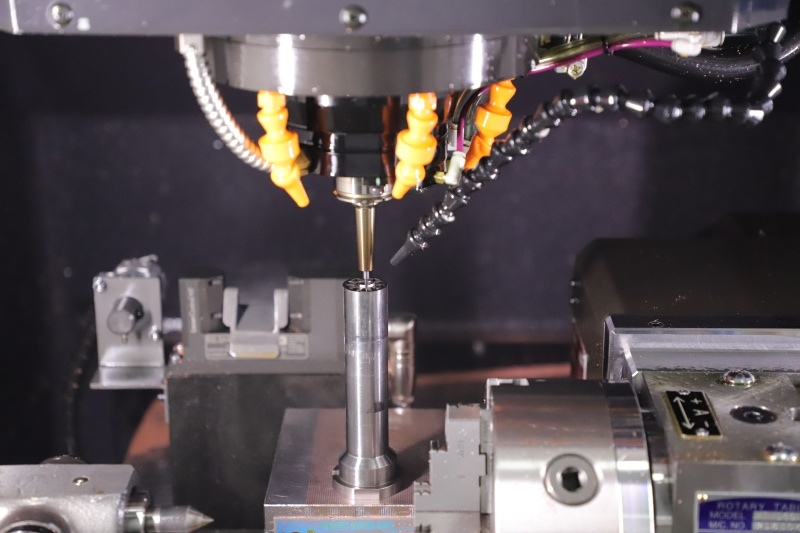
Enhancing Product Reliability with Advanced 3D Printing Nozzles Understanding the Role of 3D Printing Nozzles in Manufacturing In the world of modern manufacturing, **3D printing** has emerged as a leading technology that revolutionizes production methods. Central to this innovation are **advanced 3D printing nozzles**, which are critical components that significantly impact the quality and reliab

Enhancing Product Reliability with Advanced 3D Printing Nozzles
Understanding the Role of 3D Printing Nozzles in Manufacturing
In the world of modern manufacturing, **3D printing** has emerged as a leading technology that revolutionizes production methods. Central to this innovation are **advanced 3D printing nozzles**, which are critical components that significantly impact the quality and reliability of printed products. These nozzles serve as the gateway through which material flows during the printing process, determining factors such as layer adhesion, print speed, and precision.
As industries increasingly adopt 3D printing technology, understanding how to enhance product reliability through improved nozzle designs becomes essential. This article will delve into the various aspects of advanced 3D printing nozzles, their impact on manufacturing, and how they can be leveraged to produce higher-quality products.
Why Reliability Matters in 3D Printing
Product reliability is paramount in any manufacturing process. It directly influences customer satisfaction, brand loyalty, and market competitiveness. When products fail to meet quality standards, it can result in increased costs, waste of resources, and damage to reputation. In the context of **3D printing**, reliability encompasses several critical elements:
1. Consistency in Production
Consistency is vital in manufacturing. Advanced 3D printing nozzles help ensure that each layer of material is deposited uniformly, contributing to the overall structural integrity of the final product. By minimizing variations in extrusion rates, these nozzles enhance the reliability of mass-produced items.
2. Precision and Detail
The level of detail achieved in 3D-printed objects is heavily influenced by the nozzle design. Advanced nozzles allow for finer layer heights and more intricate geometries, making it possible to produce parts with complex features without compromising on reliability.
3. Material Compatibility
Different manufacturing projects often require specific materials. High-quality nozzles are engineered to work effectively with a range of filament types, ensuring that users can achieve the desired properties in their final products. This compatibility reduces the risk of defects caused by inadequate material handling.
The Evolution of 3D Printing Nozzles
The development of nozzle technology has come a long way since the inception of 3D printing. The transition from basic, single-extrusion nozzles to advanced designs has enabled manufacturers to explore new possibilities and enhance product reliability.
1. Introduction of Multi-Material Nozzles
Multi-material nozzles allow for the simultaneous extrusion of different materials, enabling the creation of hybrid products with enhanced properties. This innovation is particularly beneficial in applications requiring specific functionalities, such as flexible components paired with rigid structures.
2. Improved Heat Management Systems
Advanced nozzles often incorporate sophisticated heat management systems, which help maintain consistent temperatures during printing. This stability is critical for ensuring that materials flow smoothly and adhere properly, leading to more reliable final products.
3. Enhanced Cleaning Mechanisms
Clogged nozzles can lead to significant production delays and compromised product quality. Many modern nozzles are designed with self-cleaning features or easier access for maintenance, ensuring that users can quickly resolve any issues and maintain reliable production.
Key Features of Advanced 3D Printing Nozzles
When considering the benefits of advanced 3D printing nozzles, several key features stand out that contribute to enhanced product reliability:
1. Customizable Diameter Options
Different projects may require varying extrusion widths. Many advanced nozzles come with interchangeable tips, allowing manufacturers to customize the diameter based on specific needs. This flexibility promotes better flow control and layer adhesion.
2. High-Performance Coatings
Nozzles with specialized coatings can reduce friction and resist wear, leading to longer lifespans and consistent performance. These coatings also help maintain clean surfaces, minimizing the risk of contamination in the production process.
3. Precision Engineering
High-precision manufacturing techniques ensure that advanced nozzles are built to exact specifications. This precision directly correlates with reduced tolerances and improved print quality, enhancing overall product reliability.
Applications of Advanced 3D Printing Nozzles
The versatility of advanced 3D printing nozzles opens doors to numerous applications across various industries. Here are some notable uses:
1. Aerospace Industry
In the aerospace sector, where weight, strength, and precision are critical, advanced 3D printing nozzles enable the manufacturing of lightweight yet durable components. These parts must meet stringent safety standards, and enhanced nozzle technology plays a crucial role in achieving this reliability.
2. Automotive Sector
The automotive industry benefits from advanced nozzles in producing complex geometries for engine components and other critical parts. The ability to print with multiple materials allows for innovations such as lightweight structures that do not compromise on strength.
3. Medical Devices
In the realm of medical devices, reliability is non-negotiable. Advanced 3D printing nozzles contribute to the creation of intricate implants and prosthetics that require exceptional accuracy and biocompatibility, ensuring safety and effectiveness for patients.
Best Practices for Maximizing Reliability with 3D Printing Nozzles
To fully leverage the potential of advanced 3D printing nozzles, manufacturers should implement certain best practices:
1. Regular Maintenance and Calibration
Routine maintenance is vital for ensuring optimal performance of 3D printing nozzles. Regularly calibrating the printer and cleaning the nozzles can help prevent clogs and maintain consistent extrusion rates.
2. Selecting the Right Nozzle for the Job
Understanding the specific requirements of each project will guide manufacturers in choosing the most suitable nozzle. Factors such as material type, desired print quality, and complexity should dictate nozzle selection.
3. Experimenting with Print Settings
Adjusting print settings such as temperature, speed, and layer height can lead to significant improvements in product reliability. Experimentation can help identify the ideal combination that enhances performance while minimizing defects.
Future Trends in 3D Printing Nozzles
As technology continues to advance, the future of 3D printing nozzles promises exciting developments:
1. Integration of Smart Technology
Future nozzle designs may incorporate sensors and smart technology, providing real-time data on temperature, pressure, and material flow. This integration can facilitate instant adjustments to maintain optimal printing conditions, enhancing reliability.
2. Sustainable Materials
With growing concerns about environmental impact, the development of nozzles compatible with sustainable materials will be vital. This trend aligns with the broader push towards eco-friendly manufacturing practices, ensuring product reliability without compromising the planet.
3. Innovations in Material Science
Ongoing research in material science is likely to yield new filament types that further enhance the capabilities of 3D printing nozzles. These innovations will open up opportunities for more robust and reliable products in various industries.
FAQs about Advanced 3D Printing Nozzles
1. What are the key benefits of using advanced 3D printing nozzles?
Advanced 3D printing nozzles provide improved precision, reduced clogs, enhanced material compatibility, and greater consistency, all of which contribute to increased product reliability.
2. How often should I maintain my 3D printing nozzles?
Regular maintenance is recommended, typically after every few prints, or if you notice a decrease in print quality or consistency. Cleaning the nozzle and checking for clogs can help maintain optimal performance.
3. Can I use different materials with the same nozzle?
Yes, many advanced nozzles are designed to handle a variety of materials. However, it is essential to ensure that the nozzle is compatible with specific filament types to achieve the best results.
4. What is the effect of nozzle diameter on print quality?
The nozzle diameter affects the extrusion width and the level of detail in prints. Smaller diameters allow for finer details, while larger diameters can increase print speed and layer adhesion.
5. Are there any risks associated with using low-quality nozzles?
Using low-quality nozzles can lead to inconsistent extrusion, increased risk of clogs, poor print quality, and ultimately unreliable products. Investing in high-quality nozzles is crucial for achieving the best results in 3D printing.
Conclusion
In the dynamic landscape of modern manufacturing, **advanced 3D printing nozzles** stand out as pivotal components that significantly enhance product reliability. By integrating innovative designs and features, these nozzles enable manufacturers to produce high-quality, precise, and durable products across various industries. Understanding their role, applications, and best practices not only maximizes reliability but also positions businesses to leverage the full potential of 3D printing technology. As we move forward, the continuous evolution of nozzle technology will undoubtedly open new doors for innovation, driving further advancements in manufacturing reliability and efficiency.

SAF Coolest v1.3.1.2 设置面板 GAGSD-ZGYF-JVZFE-ASQ
无数据提示
Sorry, the current column is being updated, please look forward to it!
You can view other columns or returnHome Page