
-

About Us
Dongguan Mixiao New Material Technology Co., Ltd. was established in 2013 and is located in Changping Town, Dongguan City, the capital of manufacturing. It has strong independent development, design, and production capabilities, and produces products such as metal and non-metal product molds, automotive and motorcycle molds
-
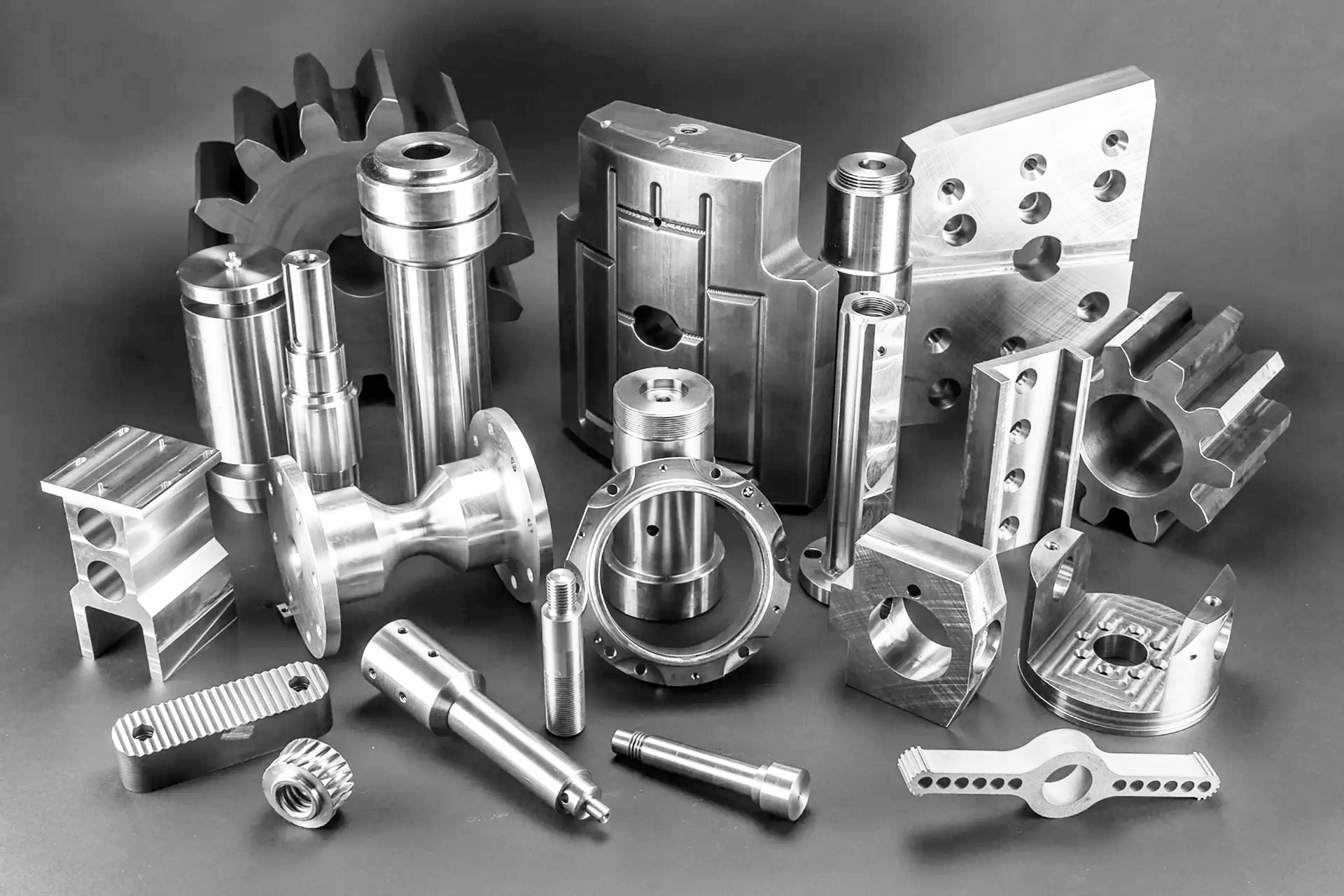
Products
Dongguan Mixiao New Material Technology Co., Ltd. was established in 2013 and is located in Changping Town, Dongguan City, the capital of manufacturing. It has strong independent development, design, and production capabilities, and produces products such as metal and non-metal product molds, automotive and motorcycle molds
-

Service
Dongguan Mixiao New Material Technology Co., Ltd. was established in 2013 and is located in Changping Town, Dongguan City, the capital of manufacturing. It has strong independent development, design, and production capabilities, and produces products such as metal and non-metal product molds, automotive and motorcycle molds
-

Blog
Dongguan Mixiao New Material Technology Co., Ltd. was established in 2013 and is located in Changping Town, Dongguan City, the capital of manufacturing. It has strong independent development, design, and production capabilities, and produces products such as metal and non-metal product molds, automotive and motorcycle molds
-

Contact us
Dongguan Mixiao New Material Technology Co., Ltd. was established in 2013 and is located in Changping Town, Dongguan City, the capital of manufacturing. It has strong independent development, design, and production capabilities, and produces products such as metal and non-metal product molds, automotive and motorcycle molds

Understanding the Importance of Rotating Shafts in Beauty Device Manufacturing
Release time:
Feb 14,2026
In the manufacturing of beauty devices, the rotating shaft serves as a vital component that directly influences the device's functionality and user experience. A rotating shaft is responsible for transferring mechanical energy and rotational motion to various parts of the device, allowing for effective operation in tasks such as massaging, exfoliating, or applying skincare products. Understanding

When considering the design of a rotating shaft for beauty devices, several factors must be taken into account. Firstly, the shaft must be appropriately sized and shaped to fit seamlessly within the device's architecture. This involves precise engineering and often requires computer-aided design (CAD) tools to create accurate models. The fit of the shaft can affect not only the device's performance but also its longevity and reliability in various operating conditions.
Material selection is another critical aspect of rotating shaft production. The ideal material needs to be durable yet lightweight, allowing for smooth and efficient operation. Common materials used for rotating shafts include stainless steel, aluminum, and high-strength plastics, each offering unique benefits depending on the specific requirements of the beauty device. For instance, stainless steel provides excellent corrosion resistance and strength, while lightweight plastics can reduce overall device weight, enhancing user comfort.
Furthermore, balancing the rotating shaft is essential to minimize vibrations during operation. An unbalanced shaft can lead to inefficient performance and potential damage to the device over time. Manufacturers should prioritize precise balancing techniques during production to ensure optimal operation. This may involve dynamic balancing machines and rigorous testing to meet industry standards.
In addition to design and material considerations, effective lubrication methods should be implemented to reduce friction between the rotating shaft and its housing. Proper lubrication not only enhances the shaft's performance but also extends its lifespan, ensuring that beauty devices remain effective over time.
Finally, manufacturers must stay attuned to technological advancements and industry trends that may influence the functionality of rotating shafts in beauty devices. Innovations in automation, smart technology, and consumer preferences continuously shape the landscape of beauty device manufacturing. By keeping pace with these changes, manufacturers can incorporate cutting-edge designs and features into their products, setting them apart in a crowded marketplace.
In conclusion, the rotating shaft is a critical component in the manufacturing of beauty devices, influencing overall performance and user satisfaction. By focusing on design precision, material selection, balancing techniques, lubrication, and staying abreast of industry developments, manufacturers can ensure that their products meet consumer needs and maintain a competitive edge in the market.

SAF Coolest v1.3.1.2 设置面板 GAGSD-ZGYF-JVZFE-ASQ
无数据提示
Sorry, the current column is being updated, please look forward to it!
You can view other columns or returnHome Page