
-

About Us
Dongguan Mixiao New Material Technology Co., Ltd. was established in 2013 and is located in Changping Town, Dongguan City, the capital of manufacturing. It has strong independent development, design, and production capabilities, and produces products such as metal and non-metal product molds, automotive and motorcycle molds
-
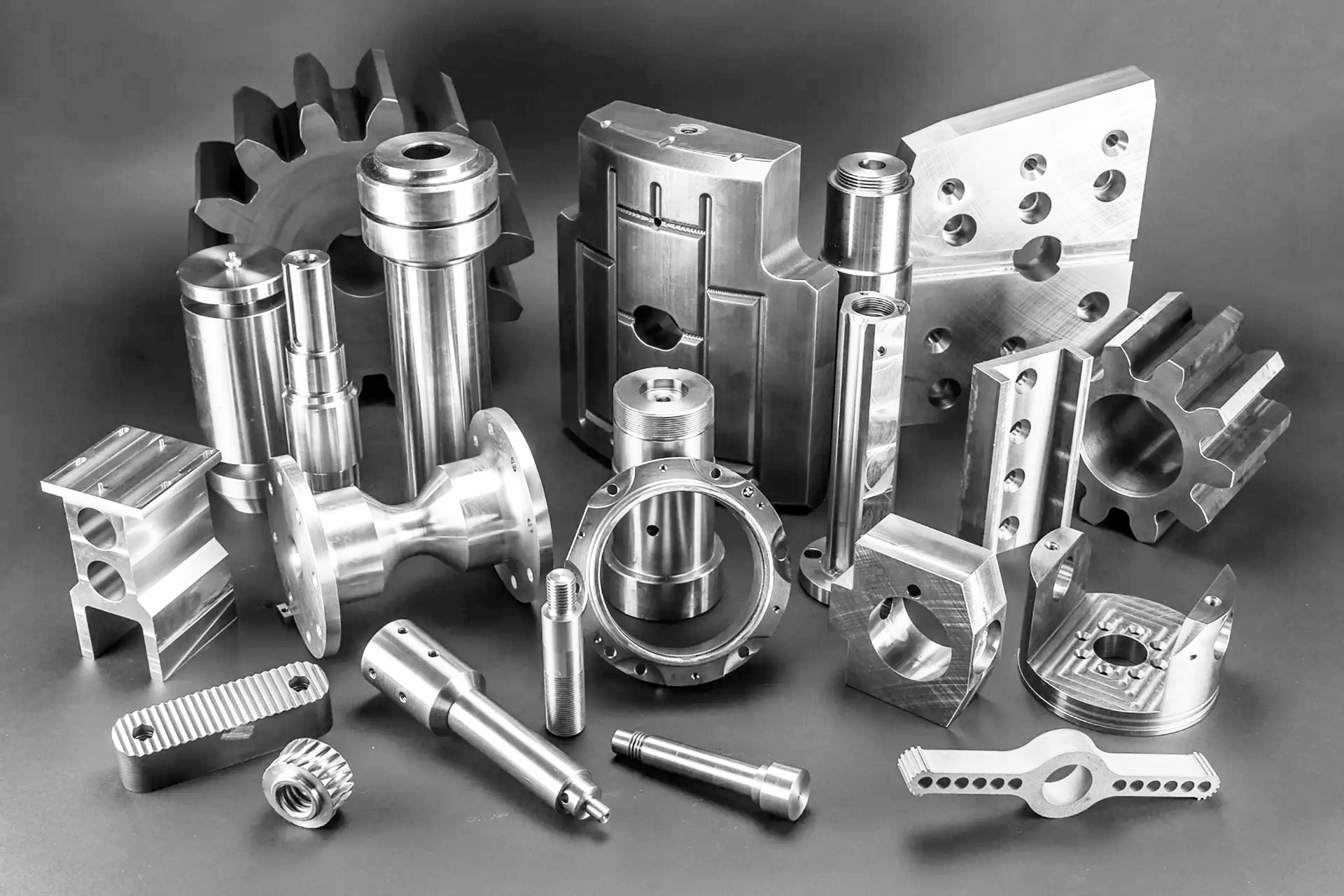
Products
Dongguan Mixiao New Material Technology Co., Ltd. was established in 2013 and is located in Changping Town, Dongguan City, the capital of manufacturing. It has strong independent development, design, and production capabilities, and produces products such as metal and non-metal product molds, automotive and motorcycle molds
-

Service
Dongguan Mixiao New Material Technology Co., Ltd. was established in 2013 and is located in Changping Town, Dongguan City, the capital of manufacturing. It has strong independent development, design, and production capabilities, and produces products such as metal and non-metal product molds, automotive and motorcycle molds
-

Blog
Dongguan Mixiao New Material Technology Co., Ltd. was established in 2013 and is located in Changping Town, Dongguan City, the capital of manufacturing. It has strong independent development, design, and production capabilities, and produces products such as metal and non-metal product molds, automotive and motorcycle molds
-

Contact us
Dongguan Mixiao New Material Technology Co., Ltd. was established in 2013 and is located in Changping Town, Dongguan City, the capital of manufacturing. It has strong independent development, design, and production capabilities, and produces products such as metal and non-metal product molds, automotive and motorcycle molds

Mastering the Art of Engraving Knives in Manufacturing and Tooling
Release time:
Feb 12,2026
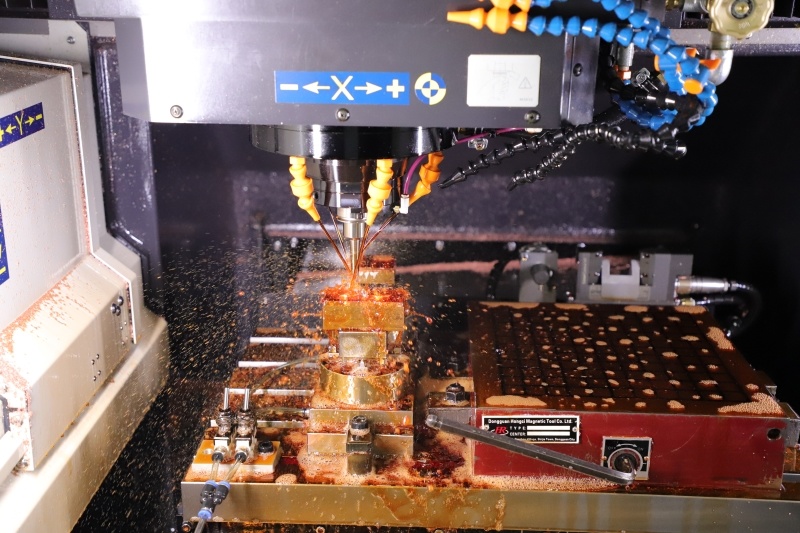
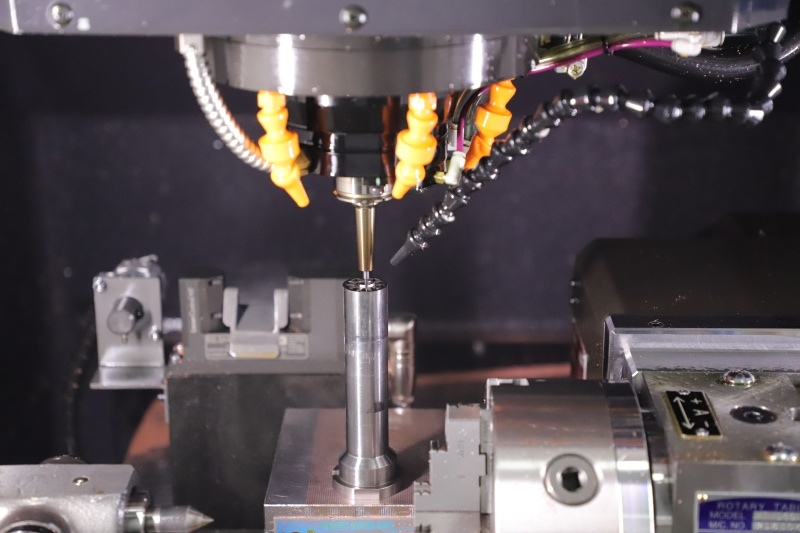
Engraving knives are precision tools designed for carving intricate designs and patterns into various materials, including metals, plastics, and wood. In the manufacturing industry, particularly within the domains of molds and tooling, these knives play a crucial role in achieving detailed engravings that can enhance the functionality and aesthetic appeal of products. The versatility of engraving

One of the primary applications of engraving knives in manufacturing is the creation of custom designs on molds. This process allows manufacturers to incorporate logos, serial numbers, or other identifying marks directly into the mold itself. By using an engraving knife, professionals can ensure that these details are sharp, clear, and durable, which contributes to the overall quality of the final product. The ability to engrave directly onto the mold also eliminates the need for additional labeling or marking processes, streamlining production efficiency.
Moreover, engraving knives are vital in the process of die-casting and forging. In die-casting, they are used to create detailed patterns on the surface of the molds, which can significantly affect the final texture and finish of the cast parts. Similarly, in forging, engraving knives help in marking the dies used for shaping metal, ensuring that the final components meet exact specifications. This attention to detail not only enhances the product quality but also minimizes the likelihood of defects during production.
To effectively utilize engraving knives in your manufacturing processes, it is essential to consider some best practices. First, choose the right type of engraving knife for your specific application. There are various styles available, each designed for different engraving techniques. Whether you need a fine-point knife for intricate designs or a broader blade for larger patterns, selecting the appropriate tool is crucial for achieving desired results.
Additionally, maintaining the sharpness and quality of your engraving knives is paramount. Regular sharpening and proper storage methods can prolong the life of the tool and ensure consistent performance. It is also beneficial to practice engraving techniques on scrap materials before working on actual projects. This practice helps in honing skills and gaining confidence, which ultimately results in better-quality engravings.
In conclusion, engraving knives are an essential tool in the manufacturing and tooling industry, particularly in mold-making, die-casting, and forging applications. By understanding their importance and adhering to best practices, professionals can significantly enhance the precision and aesthetic quality of their products. Embracing the art of engraving can lead to innovative designs and improved production processes, setting your manufacturing capabilities apart in a competitive market.

SAF Coolest v1.3.1.2 设置面板 GAGSD-ZGYF-JVZFE-ASQ
无数据提示
Sorry, the current column is being updated, please look forward to it!
You can view other columns or returnHome Page