
-

About Us
Dongguan Mixiao New Material Technology Co., Ltd. was established in 2013 and is located in Changping Town, Dongguan City, the capital of manufacturing. It has strong independent development, design, and production capabilities, and produces products such as metal and non-metal product molds, automotive and motorcycle molds
-
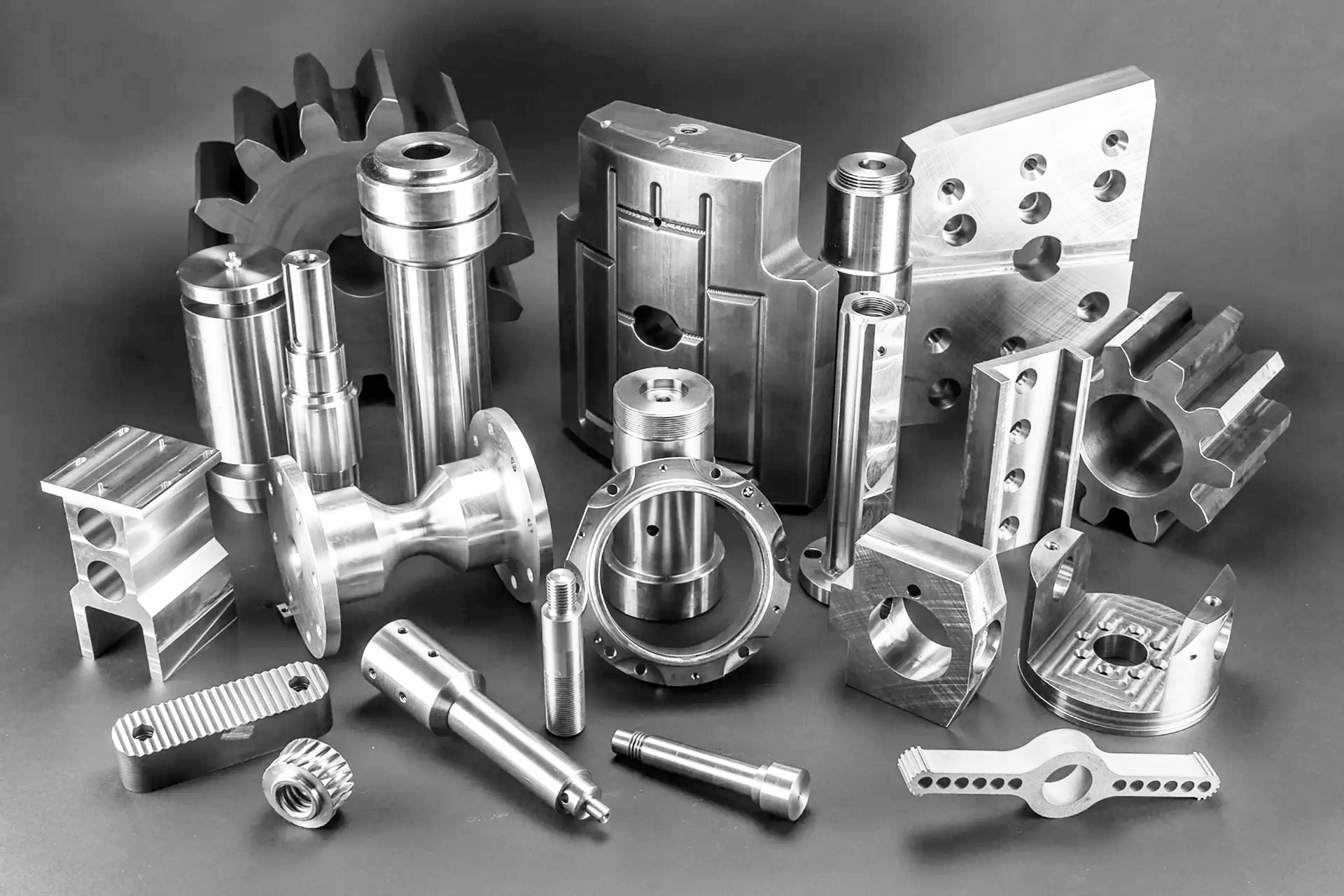
Products
Dongguan Mixiao New Material Technology Co., Ltd. was established in 2013 and is located in Changping Town, Dongguan City, the capital of manufacturing. It has strong independent development, design, and production capabilities, and produces products such as metal and non-metal product molds, automotive and motorcycle molds
-

Service
Dongguan Mixiao New Material Technology Co., Ltd. was established in 2013 and is located in Changping Town, Dongguan City, the capital of manufacturing. It has strong independent development, design, and production capabilities, and produces products such as metal and non-metal product molds, automotive and motorcycle molds
-

Blog
Dongguan Mixiao New Material Technology Co., Ltd. was established in 2013 and is located in Changping Town, Dongguan City, the capital of manufacturing. It has strong independent development, design, and production capabilities, and produces products such as metal and non-metal product molds, automotive and motorcycle molds
-

Contact us
Dongguan Mixiao New Material Technology Co., Ltd. was established in 2013 and is located in Changping Town, Dongguan City, the capital of manufacturing. It has strong independent development, design, and production capabilities, and produces products such as metal and non-metal product molds, automotive and motorcycle molds

Hard Alloy Sawtooth: Enhancing Efficiency in Die Casting Processes
Release time:
Feb 11,2026
Hard Alloy Sawtooth: Enhancing Efficiency in Die Casting Processes Table of Contents 1. Introduction to Hard Alloy Sawtooth Technology 2. Understanding Die Casting Processes 3. The Role of Hard Alloy Sawtooth in Die Casting 4. Benefits of Using Hard Alloy Sawtooth 5. Applications of Hard Alloy Sawtooth in Various Industries 6. Technical Specifications and Features 7. F

Hard Alloy Sawtooth: Enhancing Efficiency in Die Casting Processes
Table of Contents
- 1. Introduction to Hard Alloy Sawtooth Technology
- 2. Understanding Die Casting Processes
- 3. The Role of Hard Alloy Sawtooth in Die Casting
- 4. Benefits of Using Hard Alloy Sawtooth
- 5. Applications of Hard Alloy Sawtooth in Various Industries
- 6. Technical Specifications and Features
- 7. Future Trends in Die Casting and Hard Alloy Technology
- 8. Frequently Asked Questions (FAQs)
- 9. Conclusion
1. Introduction to Hard Alloy Sawtooth Technology
The manufacturing industry continuously evolves, especially in areas demanding precision and efficiency. One such advancement is the **hard alloy sawtooth technology**, which is transforming how die casting processes operate. This article delves into this innovative technology, illustrating how it enhances production efficiency, improves product quality, and reduces operational costs.
2. Understanding Die Casting Processes
Die casting is a widely used manufacturing process characterized by forcing molten metal into a mold cavity under high pressure. This technique is particularly effective for producing complex shapes and intricate designs, often seen in automotive and aerospace components. Key aspects of die casting include:
2.1 Types of Die Casting
Die casting can be broadly categorized into two types:
- Hot Chamber Die Casting: Ideal for metals with low melting points, this method allows for quicker cycles and higher production rates.
- Cold Chamber Die Casting: More suitable for high-melting-point metals, this process involves manually pouring molten metal into the chamber.
2.2 Advantages of Die Casting
Die casting offers numerous benefits, including:
- High dimensional accuracy
- Excellent surface finish
- Reduced machining costs
- Rapid production rates
3. The Role of Hard Alloy Sawtooth in Die Casting
The introduction of **hard alloy sawtooth** technology has significantly influenced die casting processes. These sawtooths are designed to enhance the efficiency and lifespan of molds used in casting. Made from durable alloys, they withstand high pressures and temperatures, ensuring consistent production quality.
3.1 Design Features of Hard Alloy Sawtooth
The unique design of hard alloy sawtooth includes:
- Sharp Edges: These edges provide better cutting performance, resulting in cleaner cuts and less material waste.
- Wear Resistance: The hard alloy composition allows for longer wear life, reducing the need for frequent replacements.
3.2 Impact on Production Efficiency
By implementing hard alloy sawtooth technology, manufacturers can expect:
- Increased production speeds due to reduced downtime.
- Less material wastage, leading to cost savings.
- Improved accuracy in mold design, enhancing overall product quality.
4. Benefits of Using Hard Alloy Sawtooth
The advantages of employing hard alloy sawtooth in die casting processes are multifaceted:
4.1 Enhanced Durability
Hard alloy sawtooth are engineered to resist wear and tear, offering a lifespan significantly longer than conventional molds. This durability translates into fewer replacements and maintenance costs.
4.2 Improved Product Quality
With sharper edges and a robust structure, hard alloy sawtooth deliver superior finishes, minimizing the need for secondary machining processes. This results in better aesthetics and functionality in the final products.
4.3 Cost-Effectiveness
Although the initial investment in hard alloy sawtooth may be higher, the long-term savings from reduced maintenance and increased production efficiency make it a cost-effective choice for manufacturers.
5. Applications of Hard Alloy Sawtooth in Various Industries
The versatility of hard alloy sawtooth technology extends across various sectors, contributing to efficiency improvements in several applications.
5.1 Automotive Industry
In automotive manufacturing, hard alloy sawtooth molds are essential for producing components such as engine blocks and transmission housings. Their durability ensures high-volume production without compromising quality.
5.2 Aerospace Industry
The aerospace sector benefits from the precision and reliability offered by hard alloy sawtooth. This technology is critical in manufacturing complex parts that require tight tolerances and high-performance characteristics.
5.3 Electronics Industry
In electronics, hard alloy sawtooth is used to manufacture housings and components that demand both high precision and a clean finish, ensuring optimal performance and aesthetic quality.
6. Technical Specifications and Features
Understanding the technical specifications of hard alloy sawtooth is crucial for manufacturers looking to integrate this technology into their processes.
6.1 Material Composition
Typically composed of tungsten carbide, cobalt, and other durable materials, hard alloy sawtooth are resistant to high temperatures and wear.
6.2 Design Configurations
Available in various configurations, manufacturers can choose sawtooth designs tailored to specific applications, ensuring maximum efficiency and output.
7. Future Trends in Die Casting and Hard Alloy Technology
As technology advances, the die casting industry is poised for exciting developments. Future trends include:
7.1 Integration of Smart Technology
The incorporation of IoT and AI into die casting processes will enhance monitoring and maintenance. Smart sensors can predict wear and optimize production schedules, making hard alloy sawtooth even more effective.
7.2 Sustainable Practices
Sustainability remains a critical focus. Innovations in hard alloy materials and die casting processes will likely prioritize eco-friendly practices, reducing waste and energy consumption.
8. Frequently Asked Questions (FAQs)
8.1 What is hard alloy sawtooth technology?
Hard alloy sawtooth technology refers to specialized cutting tools made from durable alloys designed to enhance efficiency and precision in die casting processes.
8.2 How do hard alloy sawtooth improve die casting efficiency?
They improve efficiency by providing longer life, reduced wear, and sharper edges, leading to less downtime and higher quality outputs.
8.3 What industries benefit from hard alloy sawtooth?
Industries such as automotive, aerospace, and electronics benefit significantly from hard alloy sawtooth technology due to their need for precision and durability.
8.4 Are hard alloy sawtooth more expensive than traditional tools?
While the initial cost may be higher, the long-term savings in maintenance and increased production efficiency make them a cost-effective investment.
8.5 How can manufacturers integrate hard alloy sawtooth into their processes?
Manufacturers can collaborate with suppliers specializing in hard alloy technology to design and implement tailored solutions for their specific production needs.
9. Conclusion
The integration of hard alloy sawtooth technology into die casting processes represents a significant advancement in manufacturing efficiency and output quality. By understanding the benefits, applications, and future trends associated with this innovative technology, manufacturers can position themselves to harness its full potential, ensuring they remain competitive in an ever-evolving industry landscape. Embracing hard alloy sawtooth not only enhances production capabilities but also paves the way for sustainable and efficient manufacturing practices in the years to come.

SAF Coolest v1.3.1.2 设置面板 GAGSD-ZGYF-JVZFE-ASQ
无数据提示
Sorry, the current column is being updated, please look forward to it!
You can view other columns or returnHome Page