
-
About Us
Dongguan Mixiao New Material Technology Co., Ltd. was established in 2013 and is located in Changping Town, Dongguan City, the capital of manufacturing. It has strong independent development, design, and production capabilities, and produces products such as metal and non-metal product molds, automotive and motorcycle molds
-
Products
Dongguan Mixiao New Material Technology Co., Ltd. was established in 2013 and is located in Changping Town, Dongguan City, the capital of manufacturing. It has strong independent development, design, and production capabilities, and produces products such as metal and non-metal product molds, automotive and motorcycle molds
-

Service
Dongguan Mixiao New Material Technology Co., Ltd. was established in 2013 and is located in Changping Town, Dongguan City, the capital of manufacturing. It has strong independent development, design, and production capabilities, and produces products such as metal and non-metal product molds, automotive and motorcycle molds
-

Blog
Dongguan Mixiao New Material Technology Co., Ltd. was established in 2013 and is located in Changping Town, Dongguan City, the capital of manufacturing. It has strong independent development, design, and production capabilities, and produces products such as metal and non-metal product molds, automotive and motorcycle molds
-

Contact us
Dongguan Mixiao New Material Technology Co., Ltd. was established in 2013 and is located in Changping Town, Dongguan City, the capital of manufacturing. It has strong independent development, design, and production capabilities, and produces products such as metal and non-metal product molds, automotive and motorcycle molds

Essential Insights into Laser Jet Welding Machine Nozzles for Efficient Manufacturing
Release time:
Feb 10,2026
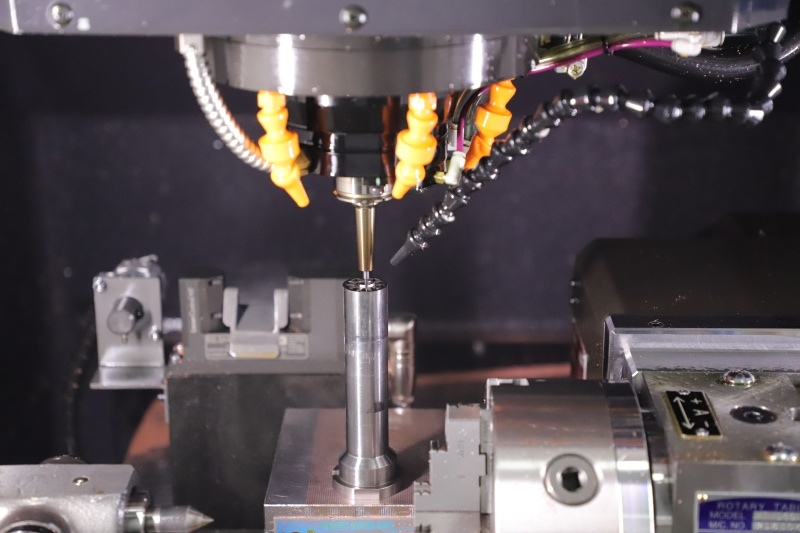
Laser jet welding machine nozzles are critical components in modern manufacturing, especially in industries that rely on precision welding techniques, such as mold-making, die-casting, and forging. These nozzles play a vital role in guiding and focusing the laser beam, thus ensuring accurate and high-quality welds. Understanding the functionality and maintenance of laser jet welding machine nozzle

One of the primary functions of a laser jet welding machine nozzle is to ensure a consistent laser beam shape and focus. This is essential for achieving precise welds and minimizing defects. The design of the nozzle affects the flow of assist gases, which can help control the heat input during the welding process. A well-designed nozzle not only improves the quality of the weld but also extends the lifespan of the nozzle itself, reducing the need for frequent replacements.
When selecting a nozzle for a laser jet welding machine, several factors should be considered. The material of the nozzle is paramount, as it should withstand high temperatures and resist wear. Typical materials include copper and ceramics, each offering different advantages depending on the specific application. Additionally, the nozzle's diameter and design can affect the weld's characteristics; larger diameters can accommodate thicker materials, while specialized designs may enhance gas flow and cooling.
Maintenance of laser jet welding machine nozzles is crucial for sustained performance. Regular inspection and cleaning can prevent the buildup of contaminants that may obstruct the laser beam or affect gas flow. Operators should follow manufacturer guidelines for maintenance schedules and procedures to ensure the nozzles remain in optimal condition. This proactive approach not only ensures quality welds but also prevents costly downtime in manufacturing operations.
Moreover, understanding the potential issues that can arise with nozzles is essential for maintaining their performance. Common problems include clogs due to slag buildup or wear from prolonged use. Operators should be aware of these issues and be equipped with the knowledge to troubleshoot effectively. Regular training and updates on best practices can help maintain high standards in welding operations.
In conclusion, laser jet welding machine nozzles are indispensable in the manufacturing sector, offering precision and efficiency in the welding process. By prioritizing the selection, maintenance, and understanding of these components, businesses can improve their production capabilities and deliver superior products. Ultimately, the investment in quality nozzles and proper care can lead to significant long-term benefits in the manufacturing landscape.

SAF Coolest v1.3.1.2 设置面板 GAGSD-ZGYF-JVZFE-ASQ
无数据提示
Sorry, the current column is being updated, please look forward to it!
You can view other columns or returnHome Page