
-

About Us
Dongguan Mixiao New Material Technology Co., Ltd. was established in 2013 and is located in Changping Town, Dongguan City, the capital of manufacturing. It has strong independent development, design, and production capabilities, and produces products such as metal and non-metal product molds, automotive and motorcycle molds
-
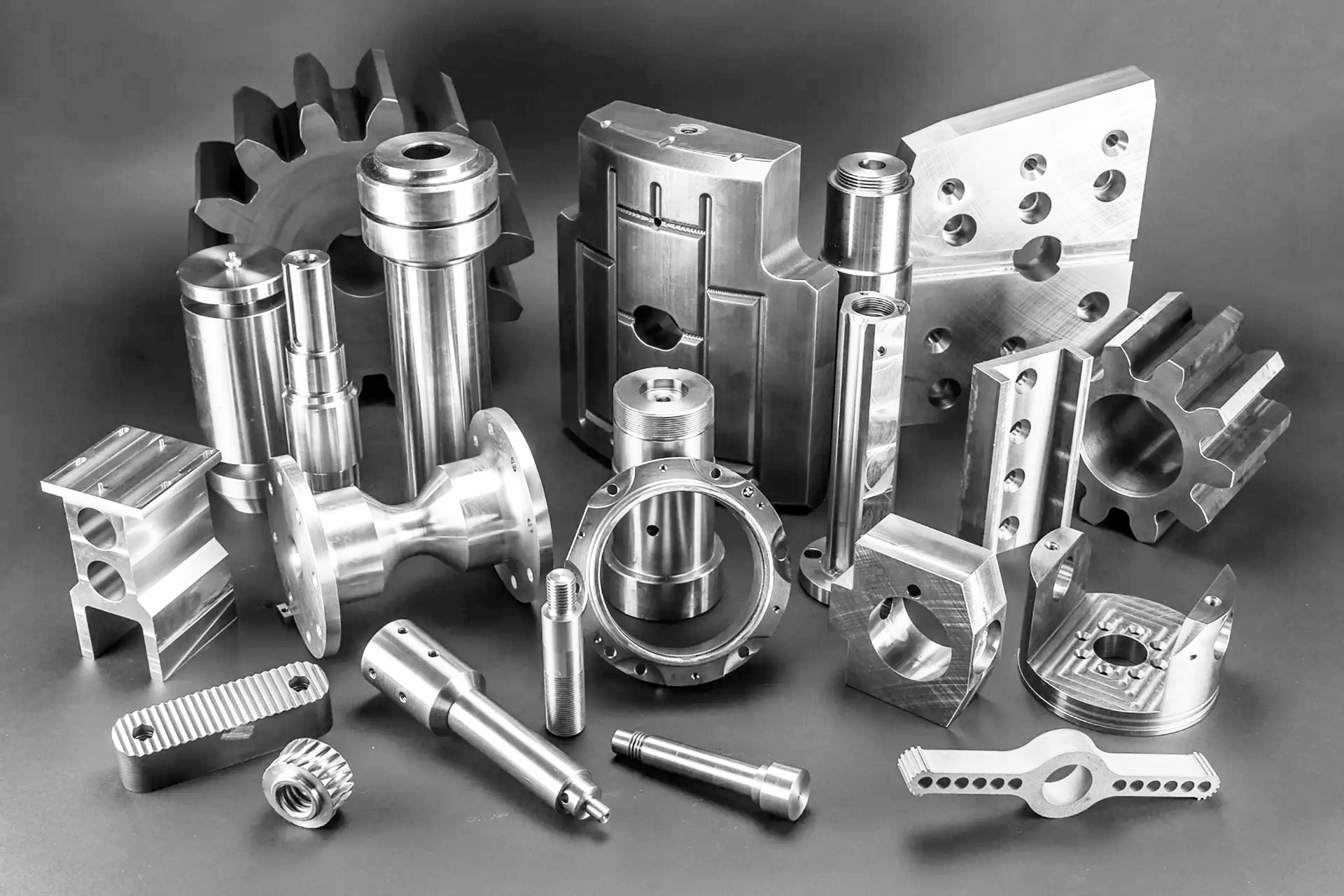
Products
Dongguan Mixiao New Material Technology Co., Ltd. was established in 2013 and is located in Changping Town, Dongguan City, the capital of manufacturing. It has strong independent development, design, and production capabilities, and produces products such as metal and non-metal product molds, automotive and motorcycle molds
-

Service
Dongguan Mixiao New Material Technology Co., Ltd. was established in 2013 and is located in Changping Town, Dongguan City, the capital of manufacturing. It has strong independent development, design, and production capabilities, and produces products such as metal and non-metal product molds, automotive and motorcycle molds
-

Blog
Dongguan Mixiao New Material Technology Co., Ltd. was established in 2013 and is located in Changping Town, Dongguan City, the capital of manufacturing. It has strong independent development, design, and production capabilities, and produces products such as metal and non-metal product molds, automotive and motorcycle molds
-

Contact us
Dongguan Mixiao New Material Technology Co., Ltd. was established in 2013 and is located in Changping Town, Dongguan City, the capital of manufacturing. It has strong independent development, design, and production capabilities, and produces products such as metal and non-metal product molds, automotive and motorcycle molds

The Connection Between Nozzle Temperature and Print Quality in 3D Printing
Release time:
Feb 09,2026
The Connection Between Nozzle Temperature and Print Quality in 3D Printing Table of Contents 1. Introduction to 3D Printing 2. The Importance of Nozzle Temperature 3. How Nozzle Temperature Affects Print Quality 3.1 Material Extrusion and Flow Rate 3.2 Layer Adhesion and Strength 3.3 Surface Finish and Detail 4. Optimal Nozzle Temperature Settings for Different Materials 4.1 PLA

The Connection Between Nozzle Temperature and Print Quality in 3D Printing
Table of Contents
1. Introduction to 3D Printing
2. The Importance of Nozzle Temperature
3. How Nozzle Temperature Affects Print Quality
3.1 Material Extrusion and Flow Rate
3.2 Layer Adhesion and Strength
3.3 Surface Finish and Detail
4. Optimal Nozzle Temperature Settings for Different Materials
4.1 PLA (Polylactic Acid)
4.2 ABS (Acrylonitrile Butadiene Styrene)
4.3 PETG (Polyethylene Terephthalate Glycol)
5. Troubleshooting Temperature-Related Print Issues
5.1 Common Problems Linked to Incorrect Nozzle Temperature
5.2 Tips for Adjusting Nozzle Temperature
6. Best Practices for Maintaining Consistent Print Quality
7. Innovations in 3D Printing Temperature Management
8. Conclusion
9. FAQs
1. Introduction to 3D Printing
3D printing has revolutionized manufacturing, enabling the creation of intricate designs and prototypes with remarkable precision. This additive manufacturing process constructs objects layer by layer, utilizing various materials such as plastics, metals, and ceramics. One of the critical factors influencing the success of 3D printing is **nozzle temperature**, which directly impacts the final print quality.
2. The Importance of Nozzle Temperature
Nozzle temperature is vital in determining how effectively a material flows through the 3D printer's nozzle. If the temperature is too low, the filament may not melt properly, leading to blockages or under-extrusion. Conversely, if the temperature is too high, it can cause overheating, resulting in poor adhesion between layers and a decrease in print quality. Thus, achieving the right nozzle temperature is essential for successful 3D printing.
3. How Nozzle Temperature Affects Print Quality
Understanding the relationship between nozzle temperature and print quality involves examining several key factors, including material extrusion, layer adhesion, and surface finish.
3.1 Material Extrusion and Flow Rate
The flow rate of filament through the nozzle is directly influenced by the temperature. At optimal temperatures, materials such as PLA, ABS, and PETG flow smoothly, allowing for a consistent extrusion. When the nozzle temperature is set correctly, it ensures that the material reaches its glass transition temperature, allowing it to flow without issues.
3.2 Layer Adhesion and Strength
Layer adhesion is crucial for the strength and durability of the printed object. When the nozzle temperature is too low, the printed layers may not fuse effectively, leading to weak spots in the final product. On the other hand, excessive temperature can cause materials to degrade, resulting in weak interlayer bonds. The ideal nozzle temperature facilitates optimal adhesion between layers, ensuring the robustness of the printed item.
3.3 Surface Finish and Detail
Nozzle temperature also impacts the aesthetics of the print. A properly heated nozzle allows for finer details to be achieved, resulting in a smoother surface finish. If the temperature is inadequate, prints may exhibit rough textures or visible layer lines, detracting from the overall appearance. Fine-tuning the nozzle temperature is essential for achieving high-resolution prints with intricate designs.
4. Optimal Nozzle Temperature Settings for Different Materials
Each 3D printing material has its own recommended nozzle temperature range. Understanding these ranges is crucial for optimizing print quality.
4.1 PLA (Polylactic Acid)
PLA is one of the most commonly used materials in 3D printing due to its ease of use and biodegradable properties. The optimal nozzle temperature for PLA typically ranges between **180°C and 220°C**. This temperature range allows for good extrusion while minimizing warping.
4.2 ABS (Acrylonitrile Butadiene Styrene)
ABS is known for its toughness and heat resistance, making it a popular choice for functional parts. The recommended nozzle temperature for ABS falls between **220°C and 260°C**. While higher temperatures improve flow, they also require proper ventilation due to the fumes released during printing.
4.3 PETG (Polyethylene Terephthalate Glycol)
PETG combines the best properties of both PLA and ABS. The ideal nozzle temperature for PETG is around **230°C to 250°C**. This temperature range ensures optimal adhesion while maintaining the material's clarity and strength.
5. Troubleshooting Temperature-Related Print Issues
Even with the right nozzle temperature, issues can still occur during the 3D printing process. Identifying and addressing these problems promptly is crucial for maintaining print quality.
5.1 Common Problems Linked to Incorrect Nozzle Temperature
Several issues can arise from improper nozzle temperature settings, including stringing, warping, and poor layer adhesion. For instance, if the temperature is too low, stringing may occur due to incomplete melting of the filament. Conversely, excessive temperatures can lead to warping and surface imperfections.
5.2 Tips for Adjusting Nozzle Temperature
When troubleshooting print issues, consider making incremental adjustments to the nozzle temperature. Begin by increasing or decreasing the temperature by 5°C to observe any changes in print quality. It’s also beneficial to maintain a consistent environment, as fluctuations in ambient temperature can affect the printing process.
6. Best Practices for Maintaining Consistent Print Quality
To achieve consistently high-quality prints, several best practices should be followed:
1. **Regularly Calibrate Your 3D Printer**: Ensure that your printer is calibrated correctly, including the nozzle height and temperature settings.
2. **Use Quality Filaments**: Invest in high-quality filaments that are known to perform well at specified temperatures.
3. **Monitor Ambient Conditions**: Keep your printing environment stable, as humidity and temperature can affect filament behavior.
4. **Conduct Test Prints**: Before commencing large projects, run test prints to determine the optimal settings for your chosen material.
7. Innovations in 3D Printing Temperature Management
The 3D printing industry is continuously evolving, with new technologies emerging that enhance temperature control. Innovations such as advanced thermal management systems and adaptive heating nozzles are being developed to optimize printing conditions dynamically. These advancements not only improve print quality but also reduce material waste and increase efficiency.
8. Conclusion
Understanding the connection between nozzle temperature and print quality is essential for anyone involved in 3D printing. By mastering nozzle temperature settings for different materials and adopting best practices, we can significantly enhance the quality and durability of our prints. As technology continues to advance, staying informed about innovations in temperature management will further refine our 3D printing capabilities, enabling us to push the boundaries of what is possible.
9. FAQs
1. What is the ideal nozzle temperature for 3D printing with PLA?
The ideal nozzle temperature for PLA typically ranges between **180°C and 220°C**.
2. Can I print ABS at a lower temperature?
Printing ABS at a lower temperature than its recommended range of **220°C to 260°C** may lead to poor adhesion and potential print failures.
3. How can I prevent stringing in my prints?
To prevent stringing, ensure that the nozzle temperature is correctly set and consider adjusting the retraction settings in your slicing software.
4. Why is layer adhesion important in 3D printing?
Layer adhesion is crucial because it determines the strength and durability of the final printed object. Poor adhesion can lead to weak points and eventual structural failure.
5. What should I do if my prints are warping?
If your prints are warping, check the nozzle temperature and consider increasing it. Additionally, ensure that your printing environment is stable and that you are using an appropriate material for your project.

SAF Coolest v1.3.1.2 设置面板 GAGSD-ZGYF-JVZFE-ASQ
无数据提示
Sorry, the current column is being updated, please look forward to it!
You can view other columns or returnHome Page