
-

About Us
Dongguan Mixiao New Material Technology Co., Ltd. was established in 2013 and is located in Changping Town, Dongguan City, the capital of manufacturing. It has strong independent development, design, and production capabilities, and produces products such as metal and non-metal product molds, automotive and motorcycle molds
-
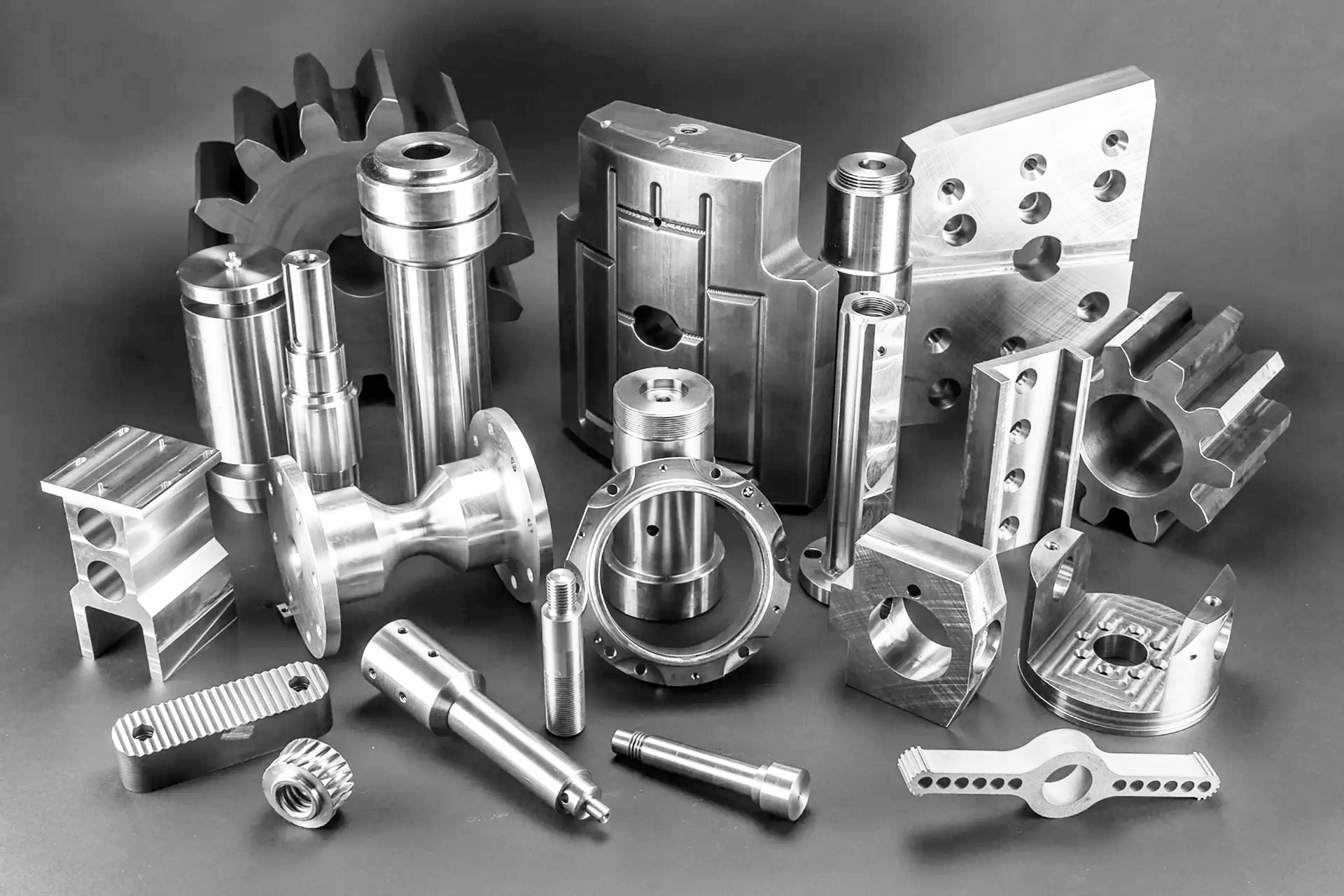
Products
Dongguan Mixiao New Material Technology Co., Ltd. was established in 2013 and is located in Changping Town, Dongguan City, the capital of manufacturing. It has strong independent development, design, and production capabilities, and produces products such as metal and non-metal product molds, automotive and motorcycle molds
-

Service
Dongguan Mixiao New Material Technology Co., Ltd. was established in 2013 and is located in Changping Town, Dongguan City, the capital of manufacturing. It has strong independent development, design, and production capabilities, and produces products such as metal and non-metal product molds, automotive and motorcycle molds
-

Blog
Dongguan Mixiao New Material Technology Co., Ltd. was established in 2013 and is located in Changping Town, Dongguan City, the capital of manufacturing. It has strong independent development, design, and production capabilities, and produces products such as metal and non-metal product molds, automotive and motorcycle molds
-

Contact us
Dongguan Mixiao New Material Technology Co., Ltd. was established in 2013 and is located in Changping Town, Dongguan City, the capital of manufacturing. It has strong independent development, design, and production capabilities, and produces products such as metal and non-metal product molds, automotive and motorcycle molds

The Essential Guide to Diamond Segments in Manufacturing and Machining
Release time:
Feb 08,2026
Diamond segments play a significant role in the manufacturing and machining sectors, especially within the realms of mold and die production, as well as in casting and forging processes. These segments are designed to enhance the performance and durability of cutting tools, making them an essential component in various industrial applications. At their core, diamond segments are composite material

At their core, diamond segments are composite materials that incorporate synthetic or natural diamonds within a metal bond matrix. The diamonds provide exceptional hardness, allowing them to effectively cut through a wide range of materials, including hard metals and concrete. This capability is crucial in the manufacturing of molds and dies, where precision and the ability to withstand high levels of wear and tear are paramount.
One of the primary advantages of diamond segments is their ability to maintain a sharp cutting edge over extended periods. This longevity reduces the frequency of tool replacements and minimizes downtime in manufacturing operations, leading to increased productivity. In environments where precision is key, such as in the production of complex molds for casting or forging, the reliability of diamond segments becomes even more critical.
Moreover, diamond segments can be tailored to meet specific manufacturing needs. Variations in the diamond concentration, size, and the bonding matrix can be adjusted to optimize performance for different materials and cutting conditions. This flexibility allows manufacturers to achieve the desired balance between cutting speed, tool life, and surface finish quality, which is vital for high-precision applications.
In addition to their mechanical advantages, diamond segments contribute to cost-effectiveness in manufacturing processes. Although the initial investment in diamond tools might be higher compared to traditional materials, the extended tool life and reduced maintenance costs often result in a lower total cost of ownership. This economic benefit is particularly relevant in industries that demand high-volume production with minimal errors.
The versatility of diamond segments extends beyond mold and die applications. They are also employed in various cutting and grinding operations across industries, including construction and stone processing. Their effectiveness in cutting hard materials makes them indispensable in enhancing operational efficiency and output quality.
In conclusion, diamond segments represent a crucial advancement in manufacturing and machining technologies. Their unique properties enable professionals to achieve superior results in mold and die production while providing long-term economic benefits. Understanding the significance of diamond segments can empower manufacturers to make informed decisions that enhance product quality and operational efficiency. By incorporating diamond segments into their tooling strategies, businesses can stay competitive in today’s fast-paced industrial landscape.

SAF Coolest v1.3.1.2 设置面板 GAGSD-ZGYF-JVZFE-ASQ
无数据提示
Sorry, the current column is being updated, please look forward to it!
You can view other columns or returnHome Page