
-

About Us
Dongguan Mixiao New Material Technology Co., Ltd. was established in 2013 and is located in Changping Town, Dongguan City, the capital of manufacturing. It has strong independent development, design, and production capabilities, and produces products such as metal and non-metal product molds, automotive and motorcycle molds
-
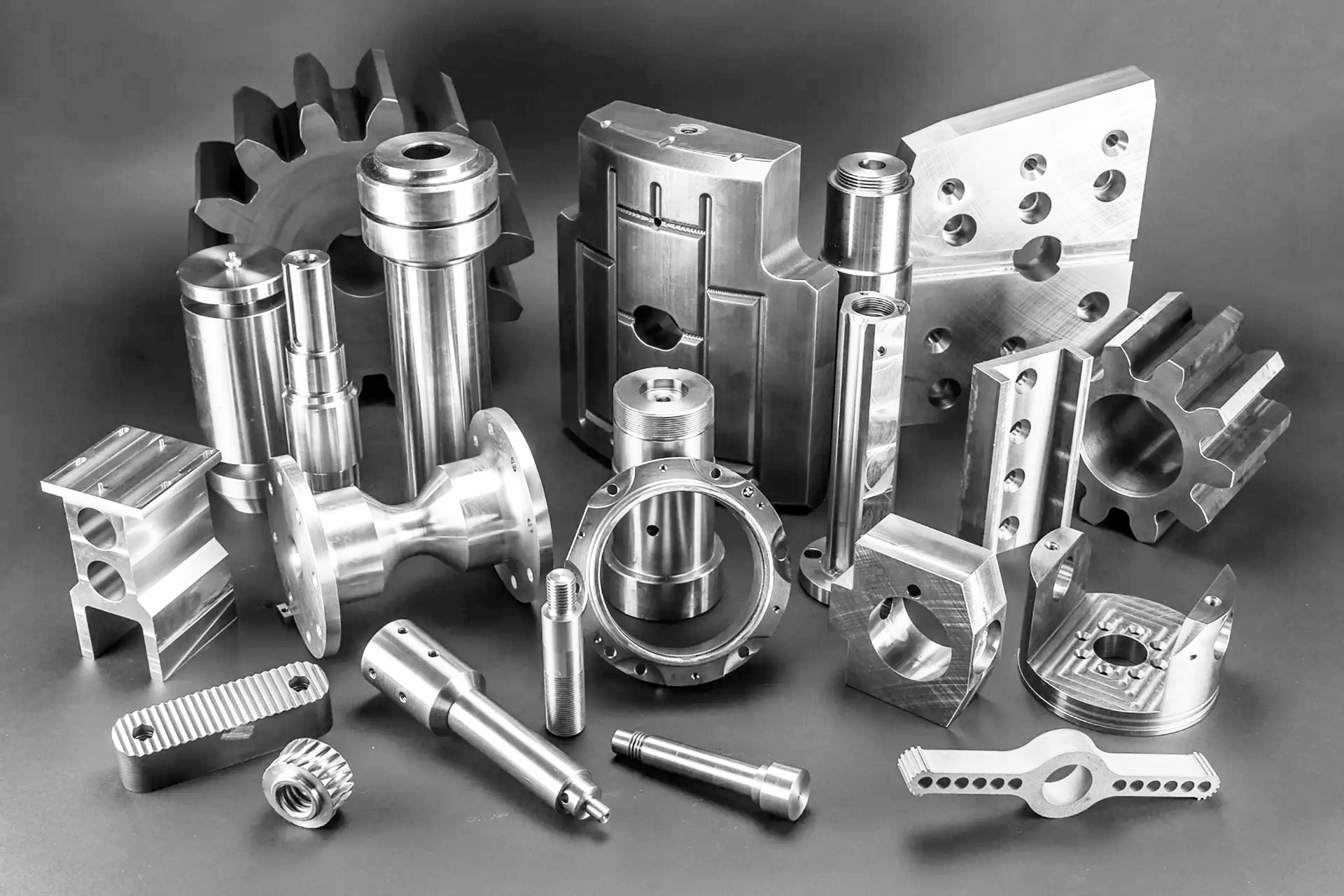
Products
Dongguan Mixiao New Material Technology Co., Ltd. was established in 2013 and is located in Changping Town, Dongguan City, the capital of manufacturing. It has strong independent development, design, and production capabilities, and produces products such as metal and non-metal product molds, automotive and motorcycle molds
-

Service
Dongguan Mixiao New Material Technology Co., Ltd. was established in 2013 and is located in Changping Town, Dongguan City, the capital of manufacturing. It has strong independent development, design, and production capabilities, and produces products such as metal and non-metal product molds, automotive and motorcycle molds
-

Blog
Dongguan Mixiao New Material Technology Co., Ltd. was established in 2013 and is located in Changping Town, Dongguan City, the capital of manufacturing. It has strong independent development, design, and production capabilities, and produces products such as metal and non-metal product molds, automotive and motorcycle molds
-

Contact us
Dongguan Mixiao New Material Technology Co., Ltd. was established in 2013 and is located in Changping Town, Dongguan City, the capital of manufacturing. It has strong independent development, design, and production capabilities, and produces products such as metal and non-metal product molds, automotive and motorcycle molds

Understanding the Role of Rotating Shafts in Beauty Devices
Release time:
Feb 06,2026
Rotating shafts are critical components in a variety of beauty devices, from hair dryers to electric razors. These shafts serve the primary function of transmitting rotational energy from a motor to the device's moving parts. Their design, material selection, and engineering precision play pivotal roles in the overall performance and durability of beauty devices. One of the key considerations in t

One of the key considerations in the design of rotating shafts is the material used. Commonly, manufacturers opt for metals such as stainless steel or aluminum due to their strength and resistance to wear and corrosion. However, emerging technologies have introduced advanced composites that can offer similar strength while reducing weight, thereby enhancing the device's ergonomics.
Moreover, the dimensions and tolerances of the rotating shaft are crucial for ensuring efficient operation. An optimally designed shaft minimizes friction and vibration, which in turn leads to lower energy consumption and extended device lifespan. As beauty devices often require compact designs, the engineering of rotating shafts must carefully balance size with performance.
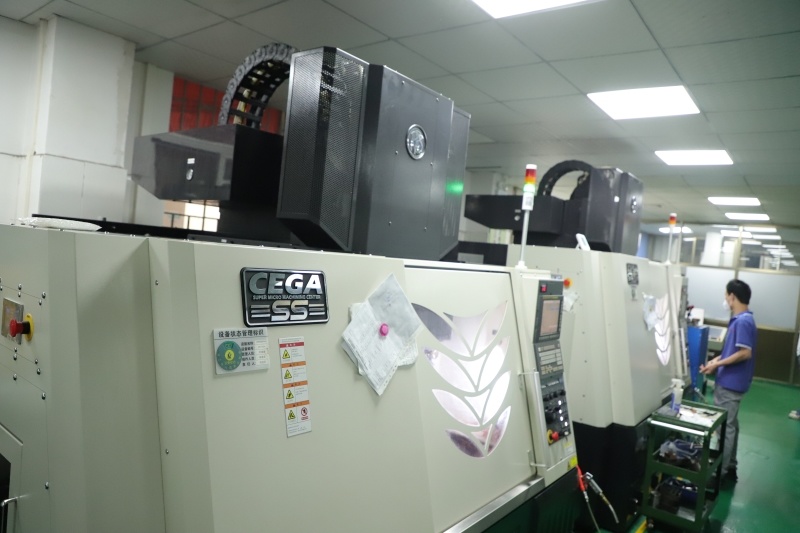
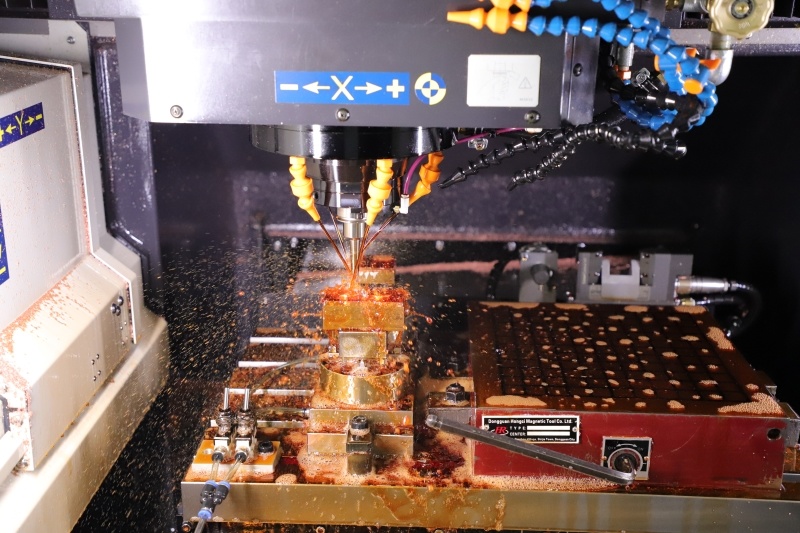
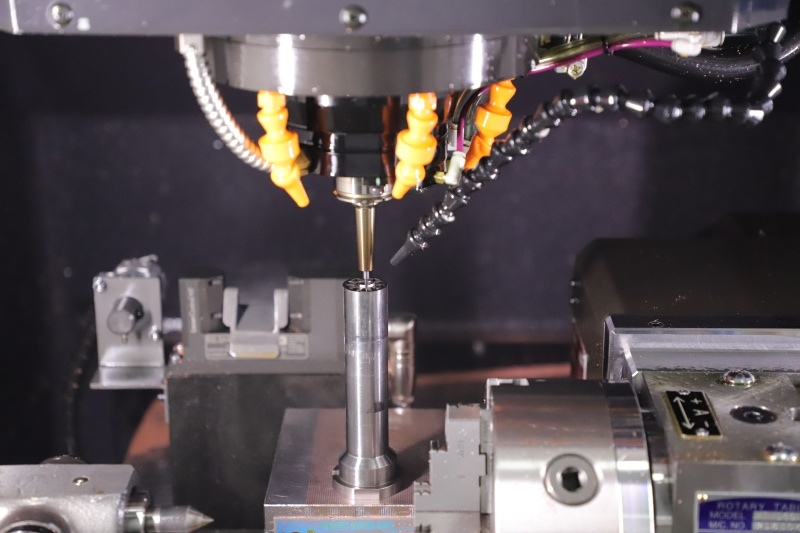
In the manufacturing process, precision machining is essential. Techniques such as CNC machining allow for the creation of highly accurate rotating shafts that meet specific tolerances required by the beauty device industry. Additionally, surface treatments, such as hard anodizing, can further enhance the performance of these shafts by increasing their resistance to wear and fatigue.
Another important factor to consider is the interaction between the rotating shaft and other components, such as bearings and gears. A well-designed rotating shaft will ensure smooth engagement with these parts, which is essential for the device's reliability and efficiency. Understanding the dynamics of these interactions can lead to innovations in device design, offering better user experiences and improved product longevity.
As the beauty industry continues to innovate, the role of rotating shafts in beauty devices cannot be understated. For professionals in the manufacturing sector, staying informed about advancements in materials, design, and machining techniques will enable them to contribute to the development of cutting-edge beauty technology. This knowledge not only enhances product offerings but also positions manufacturers as leaders in a competitive marketplace.
In conclusion, rotating shafts are fundamental to the functionality of beauty devices. Their design and manufacturing require meticulous attention to detail, highlighting the importance of engineering expertise in the beauty industry. By prioritizing innovation and quality, manufacturers can ensure that their products meet the growing demands of consumers in an ever-evolving market.

SAF Coolest v1.3.1.2 设置面板 GAGSD-ZGYF-JVZFE-ASQ
无数据提示
Sorry, the current column is being updated, please look forward to it!
You can view other columns or returnHome Page