
-

About Us
Dongguan Mixiao New Material Technology Co., Ltd. was established in 2013 and is located in Changping Town, Dongguan City, the capital of manufacturing. It has strong independent development, design, and production capabilities, and produces products such as metal and non-metal product molds, automotive and motorcycle molds
-
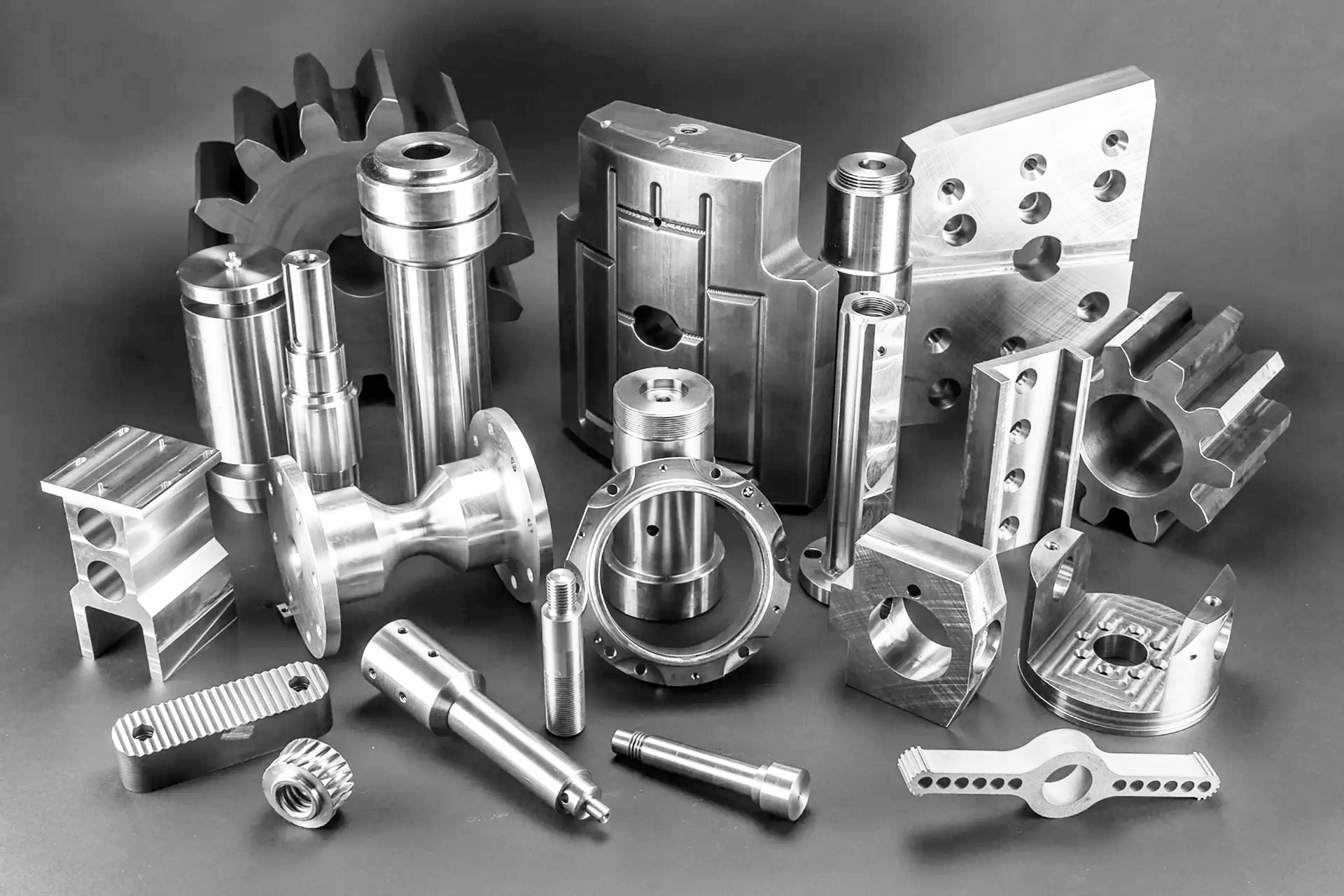
Products
Dongguan Mixiao New Material Technology Co., Ltd. was established in 2013 and is located in Changping Town, Dongguan City, the capital of manufacturing. It has strong independent development, design, and production capabilities, and produces products such as metal and non-metal product molds, automotive and motorcycle molds
-

Service
Dongguan Mixiao New Material Technology Co., Ltd. was established in 2013 and is located in Changping Town, Dongguan City, the capital of manufacturing. It has strong independent development, design, and production capabilities, and produces products such as metal and non-metal product molds, automotive and motorcycle molds
-

Blog
Dongguan Mixiao New Material Technology Co., Ltd. was established in 2013 and is located in Changping Town, Dongguan City, the capital of manufacturing. It has strong independent development, design, and production capabilities, and produces products such as metal and non-metal product molds, automotive and motorcycle molds
-

Contact us
Dongguan Mixiao New Material Technology Co., Ltd. was established in 2013 and is located in Changping Town, Dongguan City, the capital of manufacturing. It has strong independent development, design, and production capabilities, and produces products such as metal and non-metal product molds, automotive and motorcycle molds

Understanding the Functionality and Importance of Engraving Knives in Manufacturing Processes
Release time:
Feb 04,2026
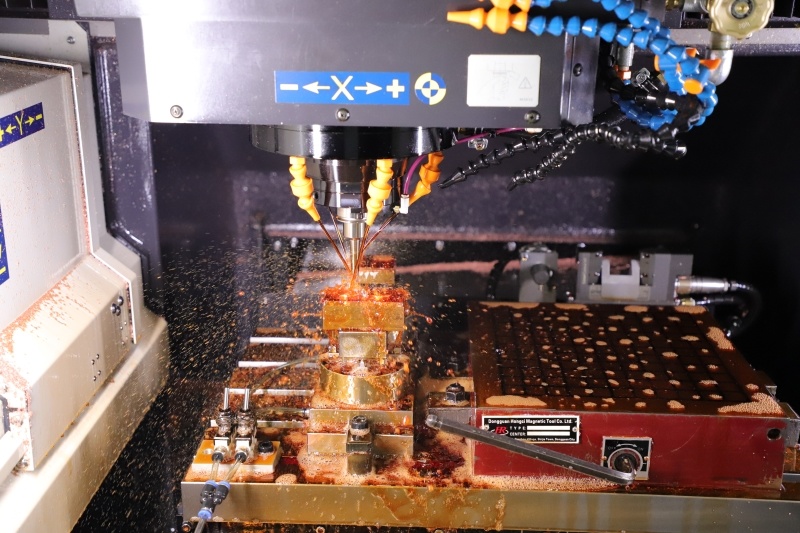
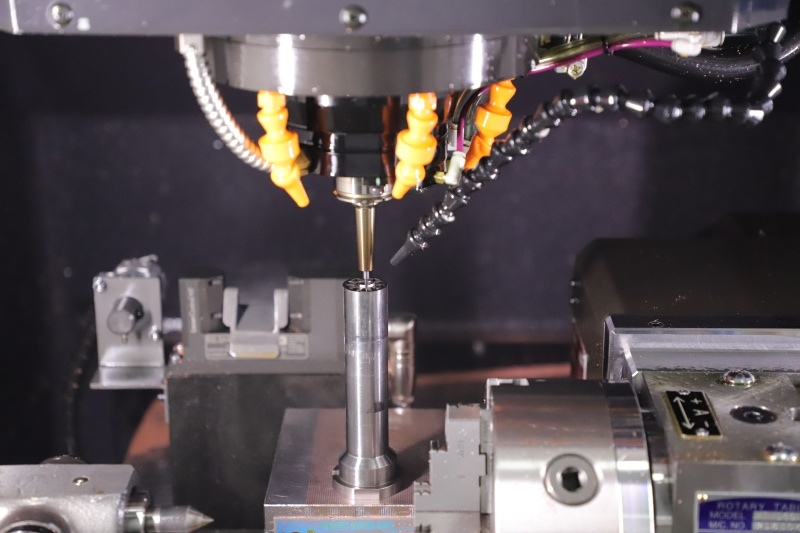
Engraving knives are specialized tools designed to create intricate designs and patterns through the process of engraving. They are essential in various fields, including manufacturing, particularly within the mold-making, die-casting, and forging sectors. The precision and versatility offered by these knives make them a vital component in achieving high-quality results in production processes. On

One of the primary functions of an engraving knife is to provide accuracy in detailing. In the manufacturing of molds, for instance, engraving knives are used to carve intricate designs on the surface of the mold. These designs can be critical for ensuring that the final product meets specific aesthetic and functional requirements. The ability to engrave fine details allows manufacturers to create products that are not only functional but also visually appealing, thereby enhancing market competitiveness.
In the context of die-casting, engraving knives play a crucial role in producing molds that require precise engravings for parts that fit together seamlessly. The fine cutting edge of an engraving knife allows for sharp, clean lines that are essential for the intricate components found in many mechanical assemblies. This precision minimizes the need for post-processing adjustments, thereby streamlining the production cycle and reducing overall operational costs.
Moreover, engraving knives are beneficial in forging applications, where they help in marking tools and dies used in the shaping of metals. The durability and sharpness of these knives ensure that they can withstand the rigors of hard materials, making them reliable assets for manufacturers. By utilizing high-quality engraving knives, companies can enhance their efficiency, reduce waste, and improve product quality.
In addition to their practical applications, engraving knives can also aid in quality control processes. By engraving specific markings or codes onto components, manufacturers can track and trace products throughout the supply chain. This traceability is essential for maintaining standards and ensuring that every piece meets the required specifications.
In summary, engraving knives are indispensable tools in the manufacturing industry, particularly in mold-making, die-casting, and forging. Their ability to deliver precision, enhance efficiency, and support quality control processes makes them crucial for businesses looking to maintain high standards in production. Understanding the various applications and benefits of engraving knives can help professionals in the industry make informed decisions about their use, ultimately leading to improved operational outcomes and product quality.

SAF Coolest v1.3.1.2 设置面板 GAGSD-ZGYF-JVZFE-ASQ
无数据提示
Sorry, the current column is being updated, please look forward to it!
You can view other columns or returnHome Page