
-

About Us
Dongguan Mixiao New Material Technology Co., Ltd. was established in 2013 and is located in Changping Town, Dongguan City, the capital of manufacturing. It has strong independent development, design, and production capabilities, and produces products such as metal and non-metal product molds, automotive and motorcycle molds
-
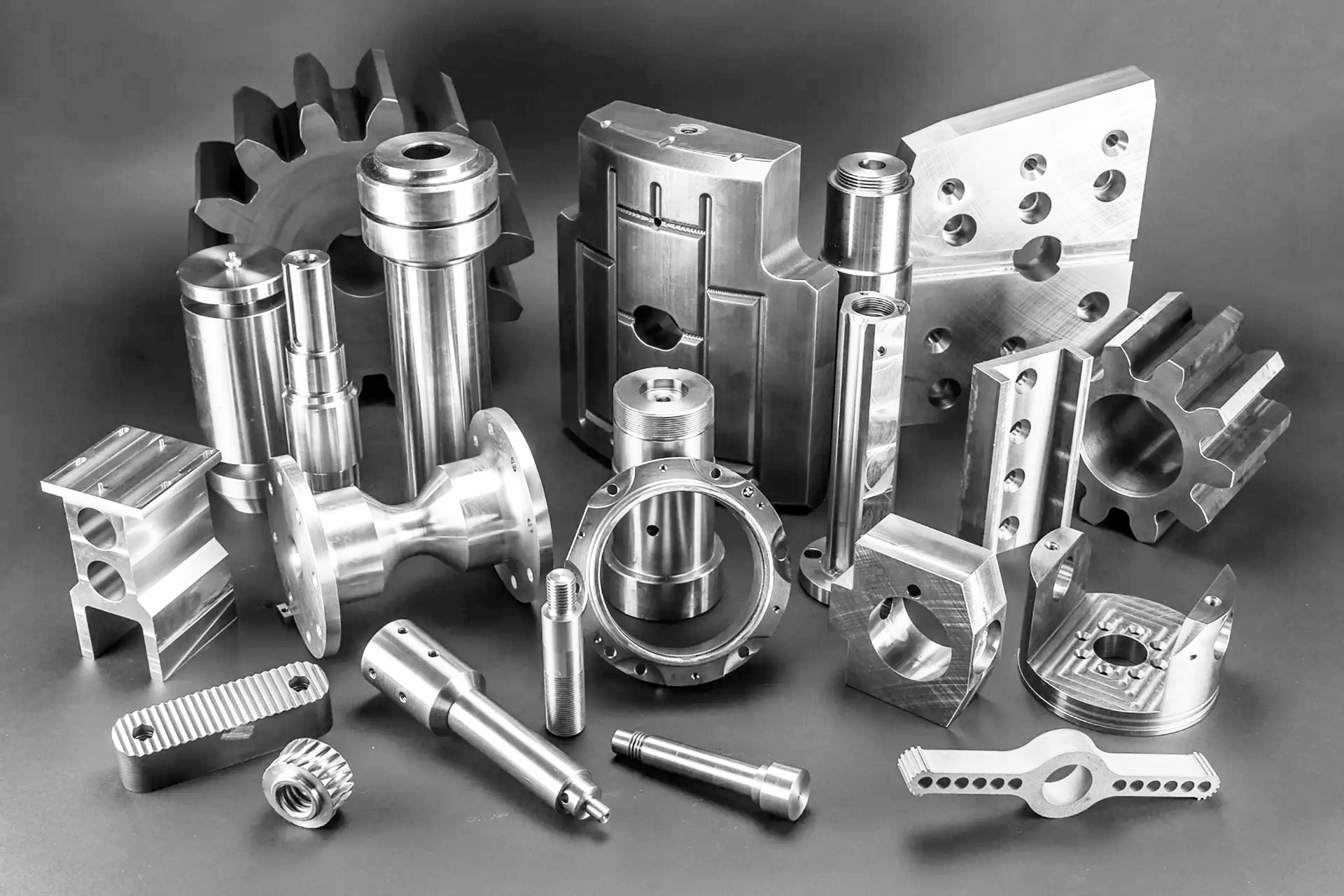
Products
Dongguan Mixiao New Material Technology Co., Ltd. was established in 2013 and is located in Changping Town, Dongguan City, the capital of manufacturing. It has strong independent development, design, and production capabilities, and produces products such as metal and non-metal product molds, automotive and motorcycle molds
-

Service
Dongguan Mixiao New Material Technology Co., Ltd. was established in 2013 and is located in Changping Town, Dongguan City, the capital of manufacturing. It has strong independent development, design, and production capabilities, and produces products such as metal and non-metal product molds, automotive and motorcycle molds
-

Blog
Dongguan Mixiao New Material Technology Co., Ltd. was established in 2013 and is located in Changping Town, Dongguan City, the capital of manufacturing. It has strong independent development, design, and production capabilities, and produces products such as metal and non-metal product molds, automotive and motorcycle molds
-

Contact us
Dongguan Mixiao New Material Technology Co., Ltd. was established in 2013 and is located in Changping Town, Dongguan City, the capital of manufacturing. It has strong independent development, design, and production capabilities, and produces products such as metal and non-metal product molds, automotive and motorcycle molds

Why Choose Hard Alloy Sawtooth for Your Metalworking Needs?
Release time:
Feb 03,2026
Why Choose Hard Alloy Sawtooth for Your Metalworking Needs? Introduction to Hard Alloy Sawtooth Tools In the dynamic world of metalworking, the choice of tools can significantly impact efficiency and output quality. One such tool gaining increasing popularity is the **hard alloy sawtooth**. This specialized cutting tool offers remarkable advantages that can transform your metalworking processes. F

Why Choose Hard Alloy Sawtooth for Your Metalworking Needs?
Introduction to Hard Alloy Sawtooth Tools
In the dynamic world of metalworking, the choice of tools can significantly impact efficiency and output quality. One such tool gaining increasing popularity is the **hard alloy sawtooth**. This specialized cutting tool offers remarkable advantages that can transform your metalworking processes. From enhanced durability to precision cuts, we explore why hard alloy sawtooth is becoming a go-to choice for professionals in manufacturing, machining, and fabrication.
The Composition of Hard Alloy Sawtooth
To understand the benefits of hard alloy sawtooth, it’s essential to delve into its composition. Hard alloys are made from a combination of metals such as tungsten, carbide, and cobalt, providing a high level of hardness and wear resistance. The unique blend of these materials allows for the creation of sawtooth edges that can withstand extreme pressures and temperatures, making them ideal for various metalworking applications.
Key Components of Hard Alloy Sawtooth
1. **Tungsten Carbide**: This is the primary material used in hard alloy sawtooth manufacturing due to its exceptional hardness and toughness. Tungsten carbide tools can resist wear and tear, leading to longer service life.
2. **Cobalt**: Often used as a binder, cobalt enhances the toughness of the sawtooth, allowing it to maintain its shape under stress.
3. **Titanium**: In some advanced formulations, titanium may be added to improve corrosion resistance and further enhance the tool's longevity.
The Advantages of Hard Alloy Sawtooth in Metalworking
Understanding the benefits of hard alloy sawtooth helps in making informed decisions when selecting tools for metalworking tasks.
1. Exceptional Durability
Hard alloy sawtooth tools are engineered to withstand the rigors of metal cutting. Their superior hardness allows them to maintain a sharp edge longer than traditional steel tools, reducing the frequency of replacements and downtime.
2. Enhanced Cutting Precision
The unique serrated design of hard alloy sawtooth provides smoother cuts and greater accuracy. This precision is crucial in industries where tolerances are tight, ensuring high-quality finishes on metal components.
3. Versatility Across Materials
Whether working with soft metals like aluminum or tougher materials such as stainless steel, hard alloy sawtooth can effectively cut through various substrates. This versatility makes it an invaluable tool for a wide range of metalworking applications.
4. Reduced Heat Generation
The robust nature of hard alloy sawtooth tools reduces friction and heat during cutting operations. Lower heat generation minimizes the risk of thermal deformation and extends the tool's lifespan.
5. Cost-Effectiveness Over Time
While the initial investment in hard alloy sawtooth may be higher than traditional tools, their durability and performance translate to lower overall costs. The reduction in replacement frequency and the enhanced productivity contribute to a favorable return on investment.
Applications of Hard Alloy Sawtooth in Metalworking
The versatility of hard alloy sawtooth extends to various applications in the metalworking sector.
1. Metal Fabrication
In metal fabrication shops, hard alloy sawtooth is utilized for cutting, shaping, and finishing metal parts. Their precision and durability make them ideal for creating intricate designs with clean edges.
2. Automotive Industry
The automotive sector demands high-quality metal components that meet strict tolerances. Hard alloy sawtooth tools are frequently used for machining engine parts, transmission components, and other critical assemblies.
3. Aerospace Manufacturing
Aerospace components require exceptional precision and reliability. Hard alloy sawtooth tools play a vital role in the production of aircraft parts, ensuring safety and performance in highly regulated environments.
4. Tool and Die Making
In tool and die making, the need for precise cuts and shapes is paramount. Hard alloy sawtooth tools excel in creating molds, dies, and other components used in production processes.
5. Construction Industry
The construction sector often requires cutting through various metals for structural applications. Hard alloy sawtooth tools offer the strength and precision necessary for these demanding tasks.
Maintenance Tips for Hard Alloy Sawtooth Tools
To maximize the lifespan and performance of hard alloy sawtooth tools, proper maintenance is essential.
1. Regular Cleaning
After each use, clean your hard alloy sawtooth tools to remove metal shavings and debris. This practice prevents buildup that can affect cutting performance.
2. Proper Storage
Store tools in a dry, secure location. Use protective cases or racks to prevent accidental damage and ensure they remain sharp.
3. Sharpening Techniques
When your sawtooth edges begin to dull, use appropriate sharpening methods. Specialized grinders or honing tools designed for hard alloys will help maintain edge performance without compromising the tool's integrity.
4. Inspection for Damage
Regularly inspect tools for signs of wear or damage. Address any issues immediately to prevent further deterioration and maintain optimal performance.
5. Use Appropriate Cutting Conditions
Adhere to recommended cutting speeds and feed rates for your specific hard alloy sawtooth. Using the right parameters reduces stress on the tool and enhances its lifespan.
Conclusion
Choosing hard alloy sawtooth for your metalworking needs is a decision that can lead to significant improvements in productivity, precision, and cost-efficiency. The unique composition and design of these tools allow them to excel in various applications while providing the durability necessary to withstand demanding tasks. By understanding their advantages, maintaining them properly, and recognizing their applications, you can harness the full potential of hard alloy sawtooth tools in your metalworking processes.
Frequently Asked Questions (FAQs)
1. What are the main benefits of using hard alloy sawtooth in metalworking?
The main benefits include exceptional durability, enhanced cutting precision, versatility across materials, reduced heat generation, and long-term cost-effectiveness.
2. How do hard alloy sawtooth tools compare to traditional steel tools?
Hard alloy sawtooth tools typically offer superior hardness and wear resistance compared to traditional steel tools, resulting in longer tool life and better cutting performance.
3. Can hard alloy sawtooth be used for all types of metal?
Yes, hard alloy sawtooth tools are versatile and can be effectively used on a variety of metals, including soft metals like aluminum and harder materials like stainless steel.
4. What maintenance is required for hard alloy sawtooth tools?
Regular cleaning, proper storage, timely sharpening, inspection for damage, and adherence to recommended cutting conditions are essential for maintaining hard alloy sawtooth tools.
5. Are hard alloy sawtooth tools worth the investment?
Yes, while the initial investment may be higher, their durability and performance lead to lower overall costs and increased productivity, making them a cost-effective choice in the long run.

SAF Coolest v1.3.1.2 设置面板 GAGSD-ZGYF-JVZFE-ASQ
无数据提示
Sorry, the current column is being updated, please look forward to it!
You can view other columns or returnHome Page