
-
About Us
Dongguan Mixiao New Material Technology Co., Ltd. was established in 2013 and is located in Changping Town, Dongguan City, the capital of manufacturing. It has strong independent development, design, and production capabilities, and produces products such as metal and non-metal product molds, automotive and motorcycle molds
-
Products
Dongguan Mixiao New Material Technology Co., Ltd. was established in 2013 and is located in Changping Town, Dongguan City, the capital of manufacturing. It has strong independent development, design, and production capabilities, and produces products such as metal and non-metal product molds, automotive and motorcycle molds
-

Service
Dongguan Mixiao New Material Technology Co., Ltd. was established in 2013 and is located in Changping Town, Dongguan City, the capital of manufacturing. It has strong independent development, design, and production capabilities, and produces products such as metal and non-metal product molds, automotive and motorcycle molds
-

Blog
Dongguan Mixiao New Material Technology Co., Ltd. was established in 2013 and is located in Changping Town, Dongguan City, the capital of manufacturing. It has strong independent development, design, and production capabilities, and produces products such as metal and non-metal product molds, automotive and motorcycle molds
-

Contact us
Dongguan Mixiao New Material Technology Co., Ltd. was established in 2013 and is located in Changping Town, Dongguan City, the capital of manufacturing. It has strong independent development, design, and production capabilities, and produces products such as metal and non-metal product molds, automotive and motorcycle molds

Understanding Laser Jet Welding Machine Nozzles: Key Insights for Manufacturing Professionals
Release time:
Feb 02,2026
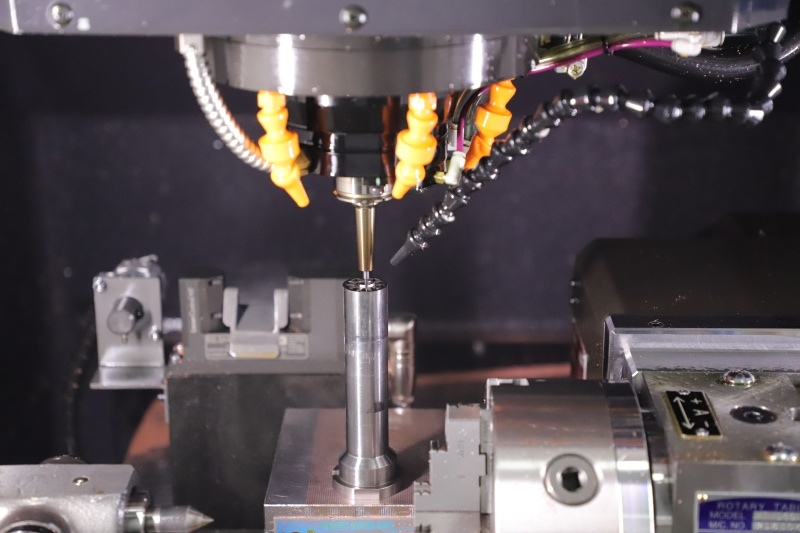
Laser jet welding is a cutting-edge technology that has significantly transformed the manufacturing landscape, particularly in the die casting and forging sectors. At the heart of this process are laser jet welding machine nozzles, which play a crucial role in ensuring the precision and efficiency of welds. Understanding the intricacies of these nozzles can lead to improved welding outcomes and pr

Firstly, the primary function of laser jet welding machine nozzles is to direct and focus the laser beam onto the workpiece. This focused energy allows for a precise and controlled welding process, essential for achieving high-quality joins with minimal distortion. The design of the nozzle can significantly impact the energy distribution and therefore the weld quality. Different applications may require specific nozzle shapes and sizes to accommodate various thicknesses and materials.
There are several types of nozzles used in laser jet welding machines, each tailored for specific applications. For instance, converging nozzles are designed to improve beam focus, while diverging nozzles might be used to achieve a larger spot size for wider welds. Additionally, some nozzles incorporate cooling features to manage heat more effectively, which can enhance the longevity and performance of the equipment.
Maintenance is another critical aspect of managing laser jet welding machine nozzles. Regular inspection and cleaning help prevent the buildup of residues that can obstruct the laser beam and lead to inconsistent welds. It is advisable to follow the manufacturer’s guidelines for maintenance schedules and procedures. Properly maintained nozzles not only improve the quality of the welds but also extend the lifespan of the welding machine, thereby reducing downtime and operational costs.
Moreover, as technology evolves, innovations in nozzle design and materials continue to emerge. For instance, advancements in ceramic nozzles offer increased wear resistance and improved thermal management, which can further enhance the efficiency of the welding process. Staying informed about these advancements can provide a competitive edge in the industry.
In conclusion, laser jet welding machine nozzles are integral to the success of laser welding operations in the manufacturing sector. By understanding their function, types, and maintenance practices, professionals can optimize their processes for better results. Continuous learning and adaptation to new technologies will ensure that companies remain at the forefront of the industry.

SAF Coolest v1.3.1.2 设置面板 GAGSD-ZGYF-JVZFE-ASQ
无数据提示
Sorry, the current column is being updated, please look forward to it!
You can view other columns or returnHome Page