
-

About Us
Dongguan Mixiao New Material Technology Co., Ltd. was established in 2013 and is located in Changping Town, Dongguan City, the capital of manufacturing. It has strong independent development, design, and production capabilities, and produces products such as metal and non-metal product molds, automotive and motorcycle molds
-
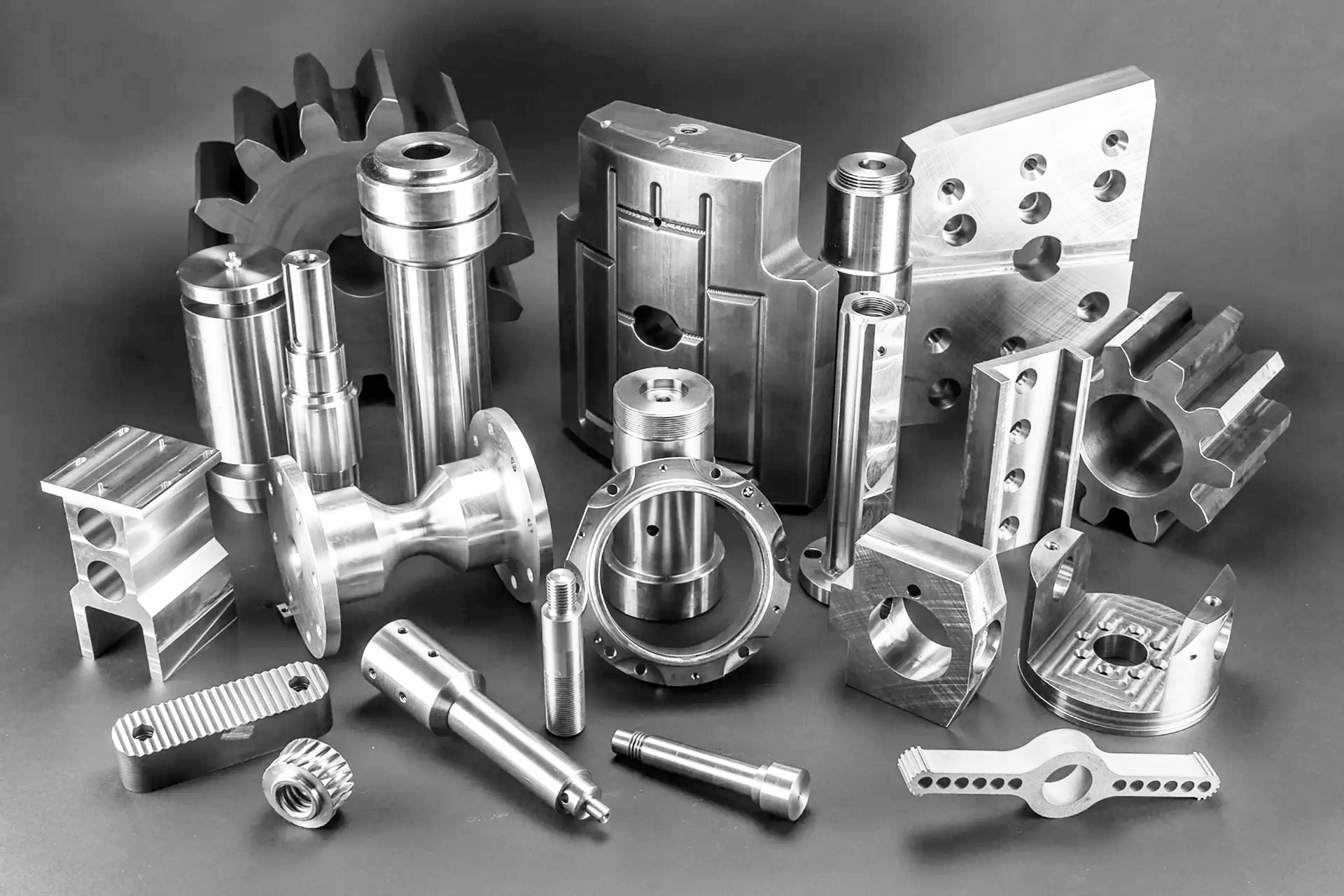
Products
Dongguan Mixiao New Material Technology Co., Ltd. was established in 2013 and is located in Changping Town, Dongguan City, the capital of manufacturing. It has strong independent development, design, and production capabilities, and produces products such as metal and non-metal product molds, automotive and motorcycle molds
-

Service
Dongguan Mixiao New Material Technology Co., Ltd. was established in 2013 and is located in Changping Town, Dongguan City, the capital of manufacturing. It has strong independent development, design, and production capabilities, and produces products such as metal and non-metal product molds, automotive and motorcycle molds
-

Blog
Dongguan Mixiao New Material Technology Co., Ltd. was established in 2013 and is located in Changping Town, Dongguan City, the capital of manufacturing. It has strong independent development, design, and production capabilities, and produces products such as metal and non-metal product molds, automotive and motorcycle molds
-

Contact us
Dongguan Mixiao New Material Technology Co., Ltd. was established in 2013 and is located in Changping Town, Dongguan City, the capital of manufacturing. It has strong independent development, design, and production capabilities, and produces products such as metal and non-metal product molds, automotive and motorcycle molds

Understanding Diamond Segments: Key Components in Manufacturing and Machining
Release time:
Jan 31,2026
Diamond segments are specialized cutting tools used extensively in the manufacturing and machining industries, particularly for processes involving hard materials. These segments are typically made of diamond-coated metal powders, which are sintered together to form a robust and durable cutting edge. The primary function of diamond segments is to enhance the efficiency and precision of cutting, gr

One of the standout features of diamond segments is their unparalleled hardness. Diamonds are renowned for being one of the hardest materials on earth, which allows these segments to effectively cut through tough materials such as concrete, stone, ceramics, and metals without significant wear. This durability not only prolongs the lifespan of the cutting tools but also reduces the frequency of replacements and maintenance, ultimately lowering operational costs.
In the context of mold-making, diamond segments play a crucial role in producing intricate shapes and precise dimensions. When crafting molds for casting or forging, it is essential to maintain tight tolerances and surface finishes. The cutting efficiency provided by diamond segments ensures that manufacturers can achieve the desired specifications without compromising on quality. Furthermore, the use of diamond segments can lead to improved surface finishes, which is critical for the final product's performance and aesthetic appeal.
The applications of diamond segments extend beyond mold-making and die-casting. In the field of forging, where materials are shaped under high pressure and temperature, diamond segments can be employed to create dies that withstand extreme conditions while maintaining their cutting effectiveness. Their ability to operate under such demanding circumstances makes them a preferred choice among manufacturers looking for high-performance tools.
Moreover, the advancements in technology have led to the development of various types of diamond segments, each tailored for specific applications. Manufacturers can choose from segmented, continuous rim, or turbo segments, depending on their cutting requirements. This variety allows for greater versatility and efficiency in machining processes, enabling businesses to optimize their production workflows.
In summary, diamond segments are a vital component in the manufacturing and machining sectors, particularly in mold-making, die-casting, and forging. Their exceptional hardness and cutting efficiency make them indispensable tools for achieving precision and quality in various applications. As technology continues to evolve, the use of diamond segments is expected to expand, further revolutionizing the manufacturing landscape. Understanding their properties and applications can provide manufacturers with the knowledge needed to enhance operational efficiency and product quality.

SAF Coolest v1.3.1.2 设置面板 GAGSD-ZGYF-JVZFE-ASQ
无数据提示
Sorry, the current column is being updated, please look forward to it!
You can view other columns or returnHome Page