
-

About Us
Dongguan Mixiao New Material Technology Co., Ltd. was established in 2013 and is located in Changping Town, Dongguan City, the capital of manufacturing. It has strong independent development, design, and production capabilities, and produces products such as metal and non-metal product molds, automotive and motorcycle molds
-
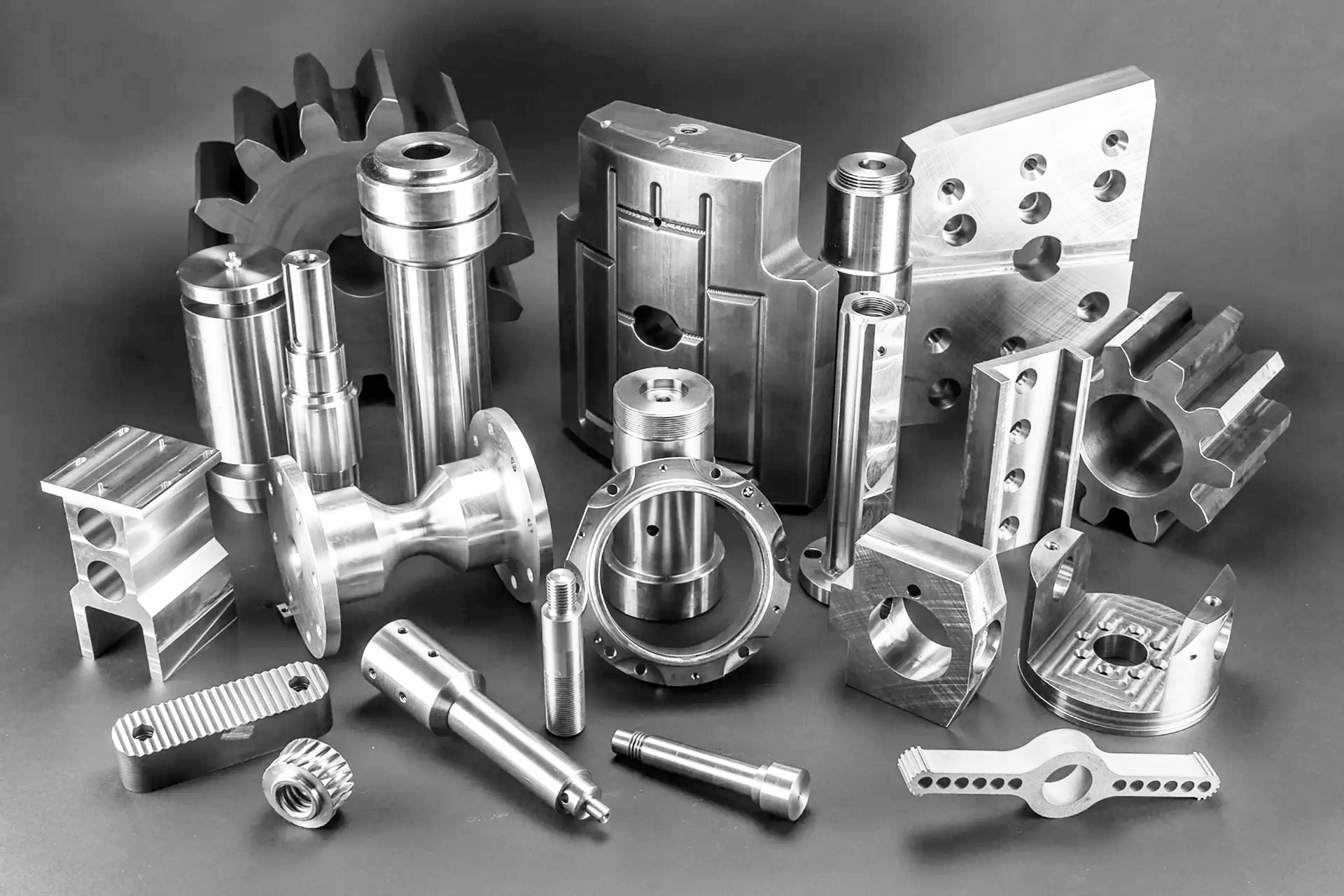
Products
Dongguan Mixiao New Material Technology Co., Ltd. was established in 2013 and is located in Changping Town, Dongguan City, the capital of manufacturing. It has strong independent development, design, and production capabilities, and produces products such as metal and non-metal product molds, automotive and motorcycle molds
-

Service
Dongguan Mixiao New Material Technology Co., Ltd. was established in 2013 and is located in Changping Town, Dongguan City, the capital of manufacturing. It has strong independent development, design, and production capabilities, and produces products such as metal and non-metal product molds, automotive and motorcycle molds
-

Blog
Dongguan Mixiao New Material Technology Co., Ltd. was established in 2013 and is located in Changping Town, Dongguan City, the capital of manufacturing. It has strong independent development, design, and production capabilities, and produces products such as metal and non-metal product molds, automotive and motorcycle molds
-

Contact us
Dongguan Mixiao New Material Technology Co., Ltd. was established in 2013 and is located in Changping Town, Dongguan City, the capital of manufacturing. It has strong independent development, design, and production capabilities, and produces products such as metal and non-metal product molds, automotive and motorcycle molds

Understanding Rotating Shafts for Beauty Devices: A Key Component in Manufacturing
Release time:
Jan 29,2026
In the realm of beauty devices, the rotating shaft is an essential component that greatly influences the operation and effectiveness of the equipment. Typically, a rotating shaft is a cylindrical object that transmits power and motion within various machines. In beauty devices, it is often responsible for the rotation of brushes, motors, or other moving parts, making it integral to the device's pe

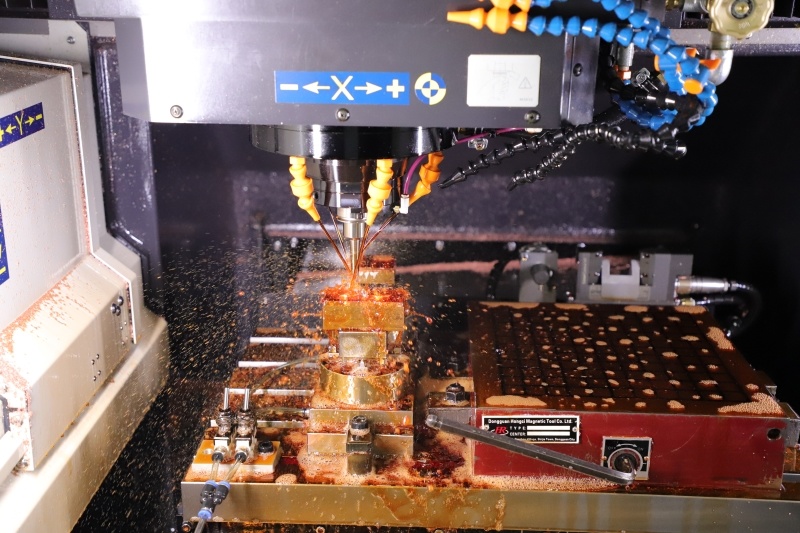
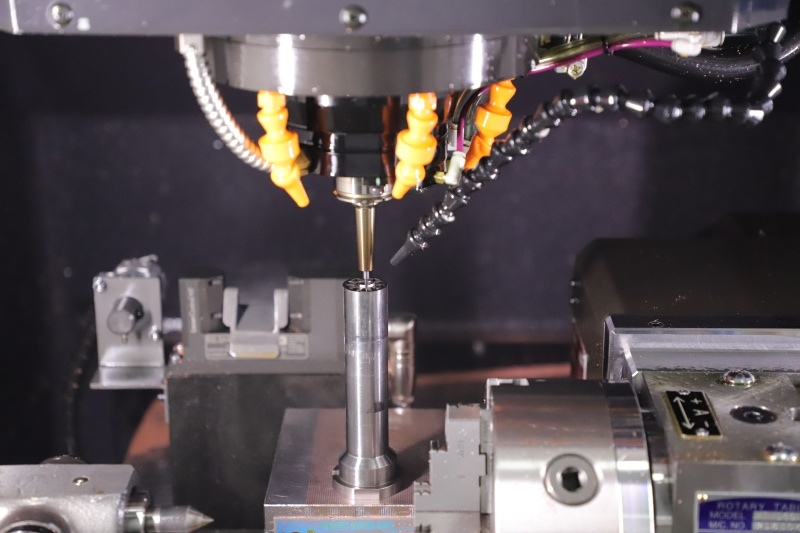
The importance of precision manufacturing cannot be understated when it comes to producing rotating shafts for beauty devices. These shafts must be engineered with high accuracy to ensure they can withstand rotational forces without deforming or failing. This level of precision is achieved through advanced machining techniques, which include turning, milling, and grinding. The selection of appropriate materials is also critical, as the shafts need to be both lightweight and durable to withstand repetitive usage without compromising the integrity of the beauty device.
In addition to the material and manufacturing process, the design of the rotating shaft is equally significant. Factors such as diameter, length, and weight can all affect how efficiently the beauty device operates. For instance, a well-designed shaft can minimize vibrations and noise, enhancing the user experience. Moreover, incorporating features like splines or grooves can facilitate better engagement with other components, further improving the device's overall functionality.
Another important aspect to consider is the maintenance of rotating shafts. Regular checks for wear and tear are essential to ensure optimal performance. Over time, components may experience degradation due to friction and heat, which can lead to reduced efficiency or complete failure. Therefore, manufacturers must provide guidelines for the proper care and maintenance of beauty devices to extend their lifespan and ensure consistent performance.
Furthermore, as technology evolves, the beauty industry is witnessing an increase in the use of innovative materials and designs for rotating shafts. Advancements such as the integration of smart technology can enhance the functionality of beauty devices, offering features like adjustable speeds or automated settings. This evolution presents exciting opportunities for manufacturers in the mechanical processing and mold-making sectors to innovate and meet the changing demands of the market.
In summary, the rotating shaft is a vital element in the manufacturing of beauty devices. Its design, material selection, and maintenance all contribute to the efficiency and effectiveness of the equipment. As the industry continues to grow, understanding the complexities of rotating shafts will be essential for manufacturers looking to produce high-quality, reliable beauty devices that meet consumer demands.

SAF Coolest v1.3.1.2 设置面板 GAGSD-ZGYF-JVZFE-ASQ
无数据提示
Sorry, the current column is being updated, please look forward to it!
You can view other columns or returnHome Page