
-

About Us
Dongguan Mixiao New Material Technology Co., Ltd. was established in 2013 and is located in Changping Town, Dongguan City, the capital of manufacturing. It has strong independent development, design, and production capabilities, and produces products such as metal and non-metal product molds, automotive and motorcycle molds
-
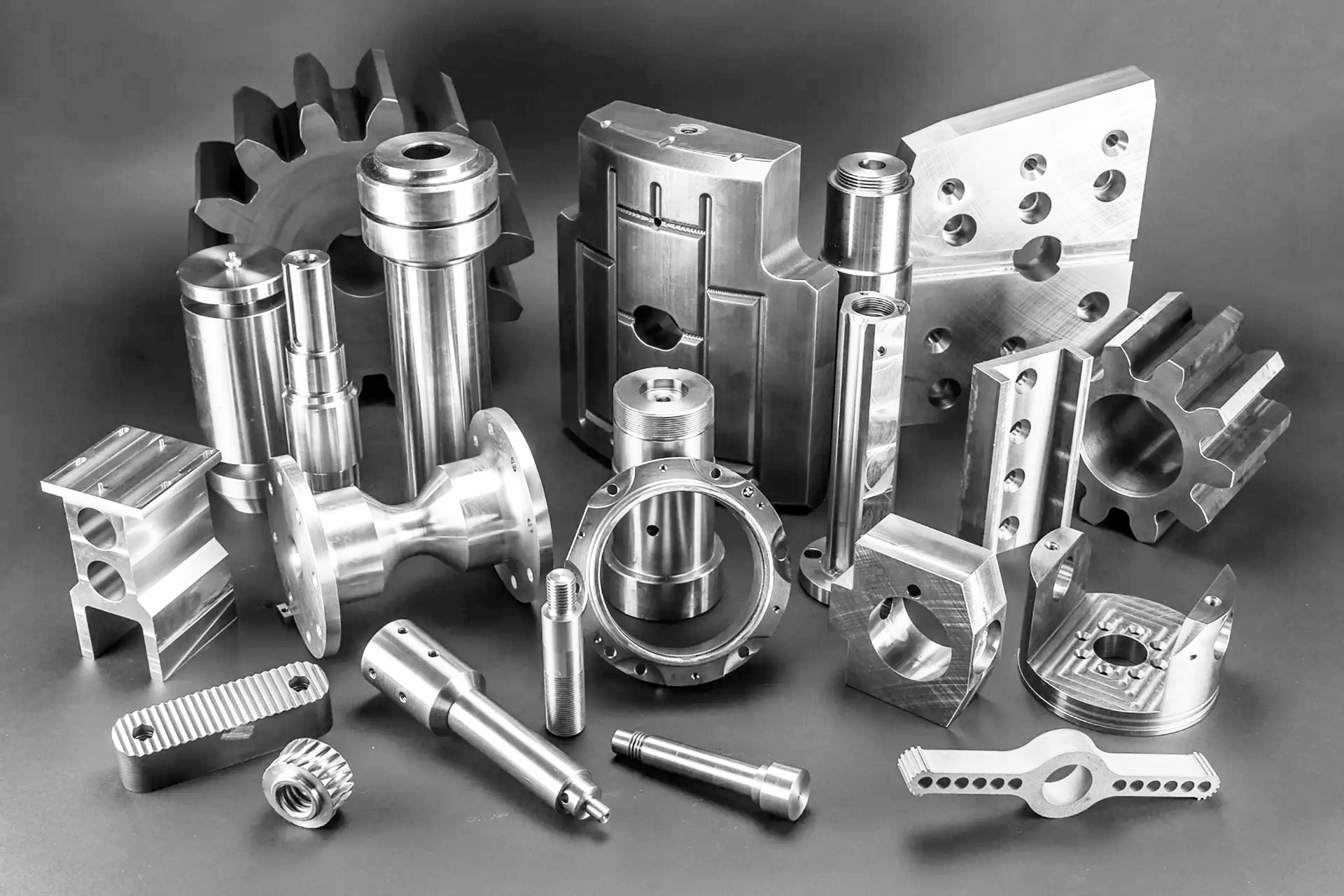
Products
Dongguan Mixiao New Material Technology Co., Ltd. was established in 2013 and is located in Changping Town, Dongguan City, the capital of manufacturing. It has strong independent development, design, and production capabilities, and produces products such as metal and non-metal product molds, automotive and motorcycle molds
-

Service
Dongguan Mixiao New Material Technology Co., Ltd. was established in 2013 and is located in Changping Town, Dongguan City, the capital of manufacturing. It has strong independent development, design, and production capabilities, and produces products such as metal and non-metal product molds, automotive and motorcycle molds
-

Blog
Dongguan Mixiao New Material Technology Co., Ltd. was established in 2013 and is located in Changping Town, Dongguan City, the capital of manufacturing. It has strong independent development, design, and production capabilities, and produces products such as metal and non-metal product molds, automotive and motorcycle molds
-

Contact us
Dongguan Mixiao New Material Technology Co., Ltd. was established in 2013 and is located in Changping Town, Dongguan City, the capital of manufacturing. It has strong independent development, design, and production capabilities, and produces products such as metal and non-metal product molds, automotive and motorcycle molds

Understanding Engraving Knives: An Essential Tool in Precision Manufacturing
Release time:
Jan 23,2026
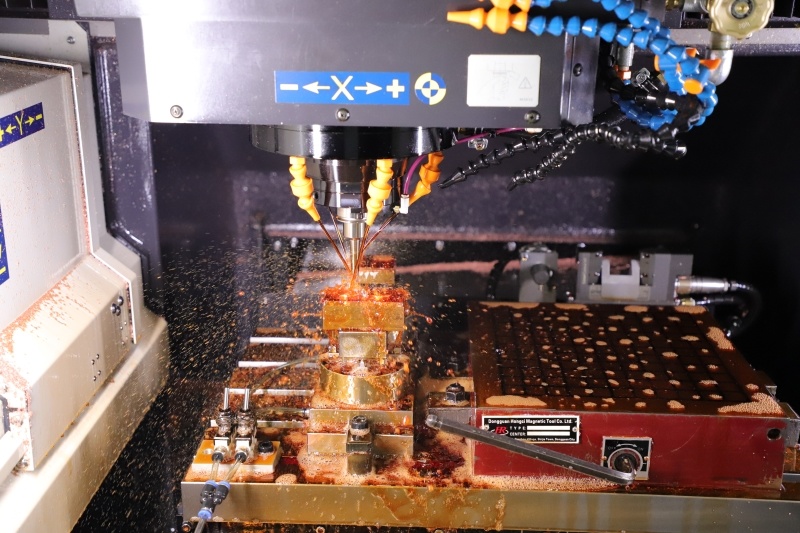
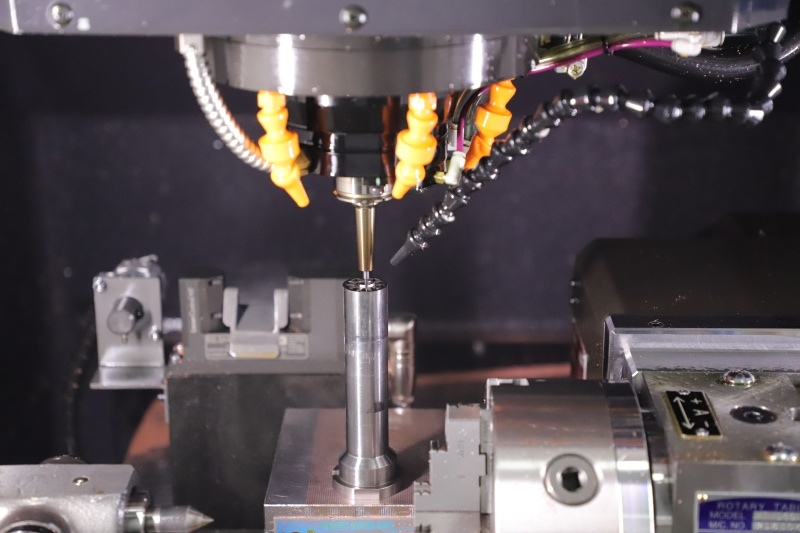
Engraving knives, often overlooked in the realm of precision manufacturing, are essential tools that play a pivotal role in various processes, particularly in mold and die creation. These specialized knives are designed for detailed cutting, carving, and etching on a variety of materials, including metal, wood, and plastic. Their sharp blades and ergonomic designs allow for intricate designs and p

One of the primary uses of engraving knives in manufacturing is in the creation of molds for casting and die-making. When producing molds, precision is key; any slight imperfection can lead to defects in the final product. Engraving knives enable manufacturers to carve out fine details in molds, ensuring that the produced items meet the rigorous standards of both aesthetics and functionality. Their ability to create sharp edges and intricate patterns makes them ideal for enhancing the surface finish of molds, which can significantly affect the final product's quality.
In addition to mold making, engraving knives are also used in prototyping. When manufacturers design new products, they often create prototypes to test form, fit, and function. Engraving knives allow for quick adjustments and modifications to prototypes, ensuring that designers can iterate rapidly and effectively. This flexibility in prototyping is crucial in competitive markets, where time-to-market can be a decisive factor.
Moreover, engraving knives come in various shapes and sizes, each tailored for specific tasks. For instance, a knife with a pointed blade is suitable for fine detailed work, while a broader blade may be used for deeper cuts or larger patterns. This versatility enables manufacturers to choose the right tool for each job, optimizing their workflow and enhancing productivity.
Maintaining engraving knives is just as critical as using them. Regular sharpening and proper storage are essential to ensure that the blades remain effective and safe to use. Manufacturers are encouraged to implement routine maintenance schedules to prolong the lifespan of their engraving tools, reducing downtime and replacement costs.
In conclusion, engraving knives are a vital component in the manufacturing sector, especially within mold and die production. Their precision cutting capabilities, versatility, and role in prototyping make them an essential tool for ensuring quality and efficiency. By understanding the applications and maintenance of engraving knives, manufacturers can leverage these tools to achieve superior results and maintain a competitive edge in their industry. As technology continues to advance, the importance of such precise tools only becomes more pronounced, underscoring the need for manufacturers to incorporate high-quality engraving knives into their operations.

SAF Coolest v1.3.1.2 设置面板 GAGSD-ZGYF-JVZFE-ASQ
无数据提示
Sorry, the current column is being updated, please look forward to it!
You can view other columns or returnHome Page