
-

About Us
Dongguan Mixiao New Material Technology Co., Ltd. was established in 2013 and is located in Changping Town, Dongguan City, the capital of manufacturing. It has strong independent development, design, and production capabilities, and produces products such as metal and non-metal product molds, automotive and motorcycle molds
-
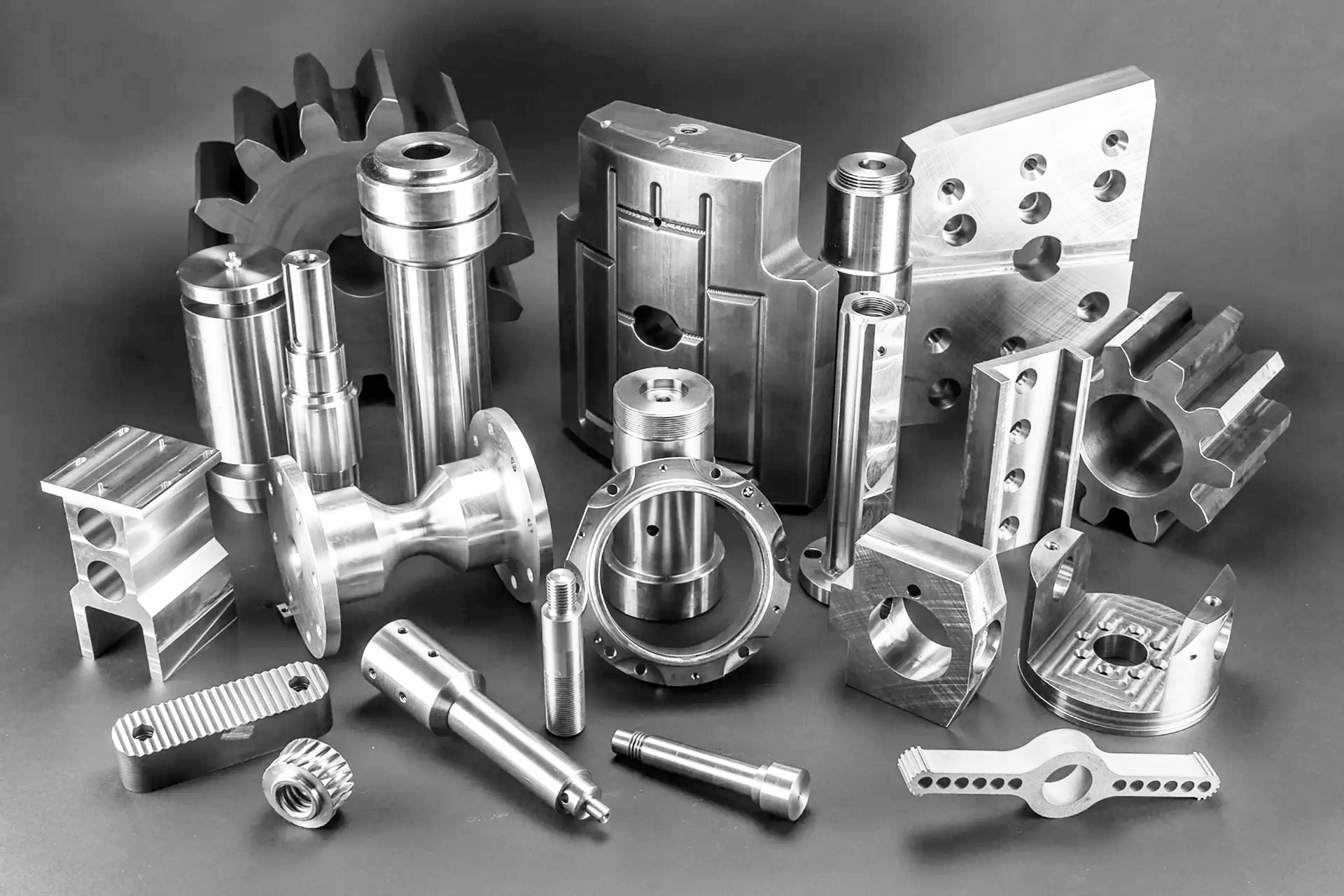
Products
Dongguan Mixiao New Material Technology Co., Ltd. was established in 2013 and is located in Changping Town, Dongguan City, the capital of manufacturing. It has strong independent development, design, and production capabilities, and produces products such as metal and non-metal product molds, automotive and motorcycle molds
-

Service
Dongguan Mixiao New Material Technology Co., Ltd. was established in 2013 and is located in Changping Town, Dongguan City, the capital of manufacturing. It has strong independent development, design, and production capabilities, and produces products such as metal and non-metal product molds, automotive and motorcycle molds
-

Blog
Dongguan Mixiao New Material Technology Co., Ltd. was established in 2013 and is located in Changping Town, Dongguan City, the capital of manufacturing. It has strong independent development, design, and production capabilities, and produces products such as metal and non-metal product molds, automotive and motorcycle molds
-

Contact us
Dongguan Mixiao New Material Technology Co., Ltd. was established in 2013 and is located in Changping Town, Dongguan City, the capital of manufacturing. It has strong independent development, design, and production capabilities, and produces products such as metal and non-metal product molds, automotive and motorcycle molds

Unlocking Precision: The Vital Role of Hard Alloy Sawtooth in Modern Manufacturing
Release time:
Jan 22,2026
Unlocking Precision: The Vital Role of Hard Alloy Sawtooth in Modern Manufacturing Table of Contents Introduction to Hard Alloy Sawtooth Technology What Are Hard Alloy Sawtooth? Benefits of Using Hard Alloy Sawtooth in Manufacturing Applications of Hard Alloy Sawtooth in Various Industries Choosing the Right Hard Alloy Sawtooth for Your Needs Maintenance Tips for Hard Alloy Sawtooth

Unlocking Precision: The Vital Role of Hard Alloy Sawtooth in Modern Manufacturing
Table of Contents
- Introduction to Hard Alloy Sawtooth Technology
- What Are Hard Alloy Sawtooth?
- Benefits of Using Hard Alloy Sawtooth in Manufacturing
- Applications of Hard Alloy Sawtooth in Various Industries
- Choosing the Right Hard Alloy Sawtooth for Your Needs
- Maintenance Tips for Hard Alloy Sawtooth
- The Future of Hard Alloy Sawtooth Technology
- Conclusion
- Frequently Asked Questions
Introduction to Hard Alloy Sawtooth Technology
In the fast-paced world of manufacturing, precision is paramount. **Hard alloy sawtooth** has emerged as a critical tool that enhances accuracy and efficiency in various processes. This article delves into the functionalities and advantages of hard alloy sawtooth, exploring how these tools are revolutionizing modern manufacturing. From increasing productivity to minimizing waste, the influence of hard alloy sawtooth is undeniable.
What Are Hard Alloy Sawtooth?
Hard alloy sawtooth refers to cutting tools made from high-performance materials that possess superior hardness and wear resistance. These sawtooth blades are engineered to withstand high temperatures and intense pressures, making them ideal for cutting, shaping, and machining a wide range of materials.
Materials Used in Hard Alloy Sawtooth
Typically, hard alloy sawtooth is comprised of tungsten carbide, cobalt, and other high-strength materials that contribute to their durability. The composition of these alloys allows for exceptional cutting performance, ensuring that the blades maintain their sharpness even under extreme conditions.
Types of Hard Alloy Sawtooth
Different types of hard alloy sawtooth are designed for specific applications. Some common types include:
- **Standard Sawtooth Blades**: Ideal for general-purpose cutting.
- **Ripping Blades**: Used for cutting along the grain of the wood.
- **Cross-Cutting Blades**: Designed for making crosscuts against the grain.
Each type has unique features that cater to specific manufacturing requirements.
Benefits of Using Hard Alloy Sawtooth in Manufacturing
Incorporating hard alloy sawtooth in manufacturing processes offers numerous advantages that contribute to better productivity and quality outcomes.
1. Enhanced Precision and Accuracy
The primary benefit of hard alloy sawtooth is its ability to deliver **exceptional precision** in cuts. This level of accuracy reduces the need for rework, thereby saving time and resources.
2. Increased Durability and Longevity
Due to their robust composition, hard alloy sawtooth blades exhibit **remarkable durability**. This extended lifespan minimizes the frequency of replacements, reducing overall operational costs for manufacturers.
3. Reduced Waste and Higher Yield
Using hard alloy sawtooth contributes to a more efficient manufacturing process by minimizing material wastage. This efficiency translates into higher yields, benefiting the overall production line.
4. Versatility Across Materials
Hard alloy sawtooth is compatible with various materials, including metals, plastics, and composites. This versatility allows manufacturers to implement these tools across multiple applications and processes.
Applications of Hard Alloy Sawtooth in Various Industries
The adaptability of hard alloy sawtooth makes it suitable for numerous industries, including:
1. Woodworking Industry
In woodworking, hard alloy sawtooth blades are essential for producing clean and precise cuts in different types of wood. Their ability to handle dense materials ensures high-quality finishes.
2. Metal Fabrication
In metal fabrication, hard alloy sawtooth excels in cutting and shaping various metals, allowing for intricate designs and components to be produced with precision.
3. Aerospace and Automotive Sectors
These blades play a crucial role in the aerospace and automotive sectors by enabling the precise machining of parts that require stringent quality and safety standards.
4. Construction Industry
In construction, hard alloy sawtooth is used for cutting through various materials, including concrete and steel, ensuring efficient and accurate operations on job sites.
Choosing the Right Hard Alloy Sawtooth for Your Needs
Selecting the appropriate hard alloy sawtooth is critical for achieving optimal results. Consider the following factors:
1. Material Compatibility
Understanding the materials to be cut is essential. Different sawtooth designs are tailored for specific materials, so choose one that matches your needs.
2. Blade Size and Shape
The size and shape of the blade can significantly affect performance. Consider the cutting depth and width required for your application.
3. Intended Use
Determine if the sawtooth will be used for general cutting, cross-cutting, or ripping. This will influence the type of blade you should select.
4. Manufacturer Reputation
Opt for reputable manufacturers known for producing high-quality hard alloy sawtooth blades. Research and reviews can guide you in making an informed decision.
Maintenance Tips for Hard Alloy Sawtooth
Proper maintenance of hard alloy sawtooth is crucial for maximizing its lifespan and performance.
1. Regular Inspection
Conduct regular inspections to check for wear and damage. Early detection of issues can help prevent costly replacements.
2. Cleaning After Use
Clean the blades after use to remove any debris or material buildup. Keeping them clean helps maintain cutting efficiency.
3. Proper Storage
Store hard alloy sawtooth in a dry and safe location to prevent damage. Using blade guards can also protect the edges from nicks and scratches.
4. Sharpening Techniques
If the blade becomes dull, sharpening it with the appropriate tools can restore its cutting ability. Follow the manufacturer's recommendations for sharpening.
The Future of Hard Alloy Sawtooth Technology
As technology advances, the future of hard alloy sawtooth looks promising. Innovations are expected to enhance material compositions, leading to even greater durability and performance. Additionally, the integration of smart technologies may enable real-time monitoring of blade conditions, optimizing maintenance strategies further.
Conclusion
Hard alloy sawtooth plays a pivotal role in modern manufacturing, providing unmatched precision, durability, and versatility. By adopting these advanced cutting tools, manufacturers can improve productivity and reduce waste, ultimately leading to higher-quality products. As the industry evolves, the continuous development of hard alloy technology promises to unlock even more capabilities, making it an indispensable part of the manufacturing landscape.
Frequently Asked Questions
1. What materials are hard alloy sawtooth typically made from?
Hard alloy sawtooth is commonly made from tungsten carbide, cobalt, and other high-strength materials to ensure durability and performance.
2. How do I know which hard alloy sawtooth to choose for my application?
Consider factors such as material compatibility, intended use, and blade size when selecting the appropriate hard alloy sawtooth for your needs.
3. How can I maintain my hard alloy sawtooth blades?
Regular inspection, cleaning after use, proper storage, and following sharpening techniques are vital for maintaining hard alloy sawtooth blades.
4. Can hard alloy sawtooth be used for cutting non-metal materials?
Yes, hard alloy sawtooth can effectively cut through various materials, including plastics and composites, in addition to metals.
5. What are the advantages of using hard alloy sawtooth over traditional cutting tools?
The main advantages include enhanced precision, increased durability, reduced waste, and versatility across different materials and applications.

SAF Coolest v1.3.1.2 设置面板 GAGSD-ZGYF-JVZFE-ASQ
无数据提示
Sorry, the current column is being updated, please look forward to it!
You can view other columns or returnHome Page