
-
About Us
Dongguan Mixiao New Material Technology Co., Ltd. was established in 2013 and is located in Changping Town, Dongguan City, the capital of manufacturing. It has strong independent development, design, and production capabilities, and produces products such as metal and non-metal product molds, automotive and motorcycle molds
-
Products
Dongguan Mixiao New Material Technology Co., Ltd. was established in 2013 and is located in Changping Town, Dongguan City, the capital of manufacturing. It has strong independent development, design, and production capabilities, and produces products such as metal and non-metal product molds, automotive and motorcycle molds
-

Service
Dongguan Mixiao New Material Technology Co., Ltd. was established in 2013 and is located in Changping Town, Dongguan City, the capital of manufacturing. It has strong independent development, design, and production capabilities, and produces products such as metal and non-metal product molds, automotive and motorcycle molds
-

Blog
Dongguan Mixiao New Material Technology Co., Ltd. was established in 2013 and is located in Changping Town, Dongguan City, the capital of manufacturing. It has strong independent development, design, and production capabilities, and produces products such as metal and non-metal product molds, automotive and motorcycle molds
-

Contact us
Dongguan Mixiao New Material Technology Co., Ltd. was established in 2013 and is located in Changping Town, Dongguan City, the capital of manufacturing. It has strong independent development, design, and production capabilities, and produces products such as metal and non-metal product molds, automotive and motorcycle molds

Understanding Laser Jet Welding Machine Nozzles: A Key Component in Modern Manufacturing
Release time:
Jan 21,2026
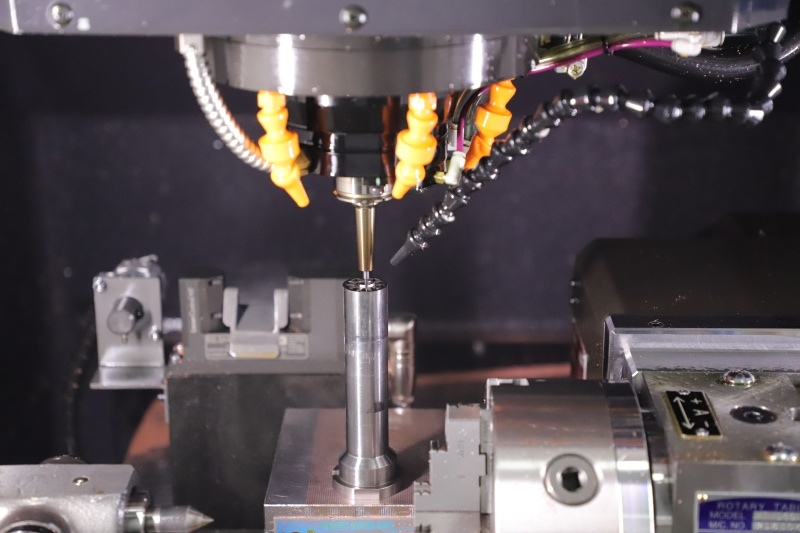
Laser jet welding is a cutting-edge technology that utilizes focused laser beams to produce high-quality welds in various materials. One of the components that play a vital role in this process is the nozzle. The nozzle is responsible for directing the laser beam to the desired location, ensuring that the energy is concentrated in the right area to achieve optimal weld quality. The design and mate

The design and material of laser jet welding machine nozzles are critical for their performance. Typically made from durable materials like copper or specialized ceramics, these nozzles are engineered to withstand high temperatures and pressures generated during the welding process. The shape and size of the nozzle also influence the laser beam's focus and diameter, affecting the precision and depth of the weld. A well-designed nozzle can minimize heat dispersion, which helps in reducing warping or distortion of the workpieces being welded.
Moreover, the nozzle is part of a larger system that includes gas delivery. In many applications, an inert gas such as argon or nitrogen is used to shield the weld area from contaminants. The nozzle's configuration helps regulate the flow of this shielding gas, ensuring that the welding process occurs in a clean environment. This is especially important in industries like mold making, where the integrity of the weld can directly impact the final product's performance.
When selecting nozzles for laser jet welding machines, several factors must be considered. The operating parameters of the machine, such as power output and speed, the material being welded, and the specific application requirements all play a role in determining the most suitable nozzle type. Regular maintenance and cleaning of the nozzles are also essential to ensure consistent performance and longevity, as accumulated debris can obstruct the laser path and affect weld quality.
Understanding the significance of laser jet welding machine nozzles can greatly enhance your manufacturing processes. By choosing the right nozzle and maintaining it properly, manufacturers can improve weld quality, increase production efficiency, and reduce costs associated with rework and scrap. In a competitive market, investing in the right components, including nozzles, can lead to substantial improvements in overall performance and product quality.
In conclusion, laser jet welding machine nozzles are not just accessories; they are integral components that significantly affect the welding outcome. By appreciating their role and maintaining them effectively, manufacturers can ensure higher precision and better results in their welding operations.

SAF Coolest v1.3.1.2 设置面板 GAGSD-ZGYF-JVZFE-ASQ
无数据提示
Sorry, the current column is being updated, please look forward to it!
You can view other columns or returnHome Page