
-

About Us
Dongguan Mixiao New Material Technology Co., Ltd. was established in 2013 and is located in Changping Town, Dongguan City, the capital of manufacturing. It has strong independent development, design, and production capabilities, and produces products such as metal and non-metal product molds, automotive and motorcycle molds
-
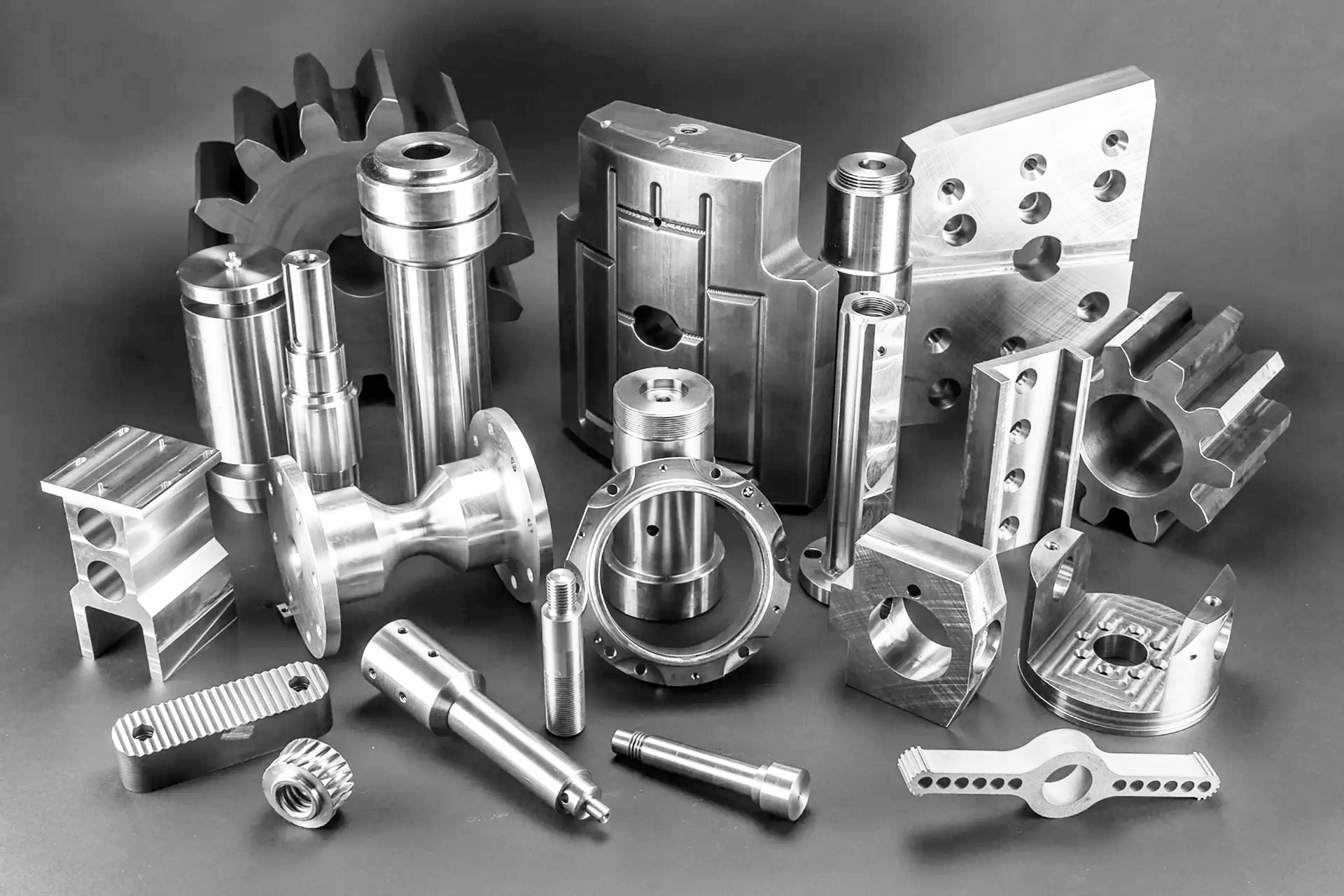
Products
Dongguan Mixiao New Material Technology Co., Ltd. was established in 2013 and is located in Changping Town, Dongguan City, the capital of manufacturing. It has strong independent development, design, and production capabilities, and produces products such as metal and non-metal product molds, automotive and motorcycle molds
-

Service
Dongguan Mixiao New Material Technology Co., Ltd. was established in 2013 and is located in Changping Town, Dongguan City, the capital of manufacturing. It has strong independent development, design, and production capabilities, and produces products such as metal and non-metal product molds, automotive and motorcycle molds
-

Blog
Dongguan Mixiao New Material Technology Co., Ltd. was established in 2013 and is located in Changping Town, Dongguan City, the capital of manufacturing. It has strong independent development, design, and production capabilities, and produces products such as metal and non-metal product molds, automotive and motorcycle molds
-

Contact us
Dongguan Mixiao New Material Technology Co., Ltd. was established in 2013 and is located in Changping Town, Dongguan City, the capital of manufacturing. It has strong independent development, design, and production capabilities, and produces products such as metal and non-metal product molds, automotive and motorcycle molds

Mold Nozzles for Stable and Efficient Molding Production
Release time:
Sep 20,2026
advanced Mold Nozzles manufacturers provide precision components, stable material flow, durable performance, and reliable solutions for molding applications

The Importance of Reliable Material Delivery
Mold Nozzles are important components in molding equipment, helping guide and control material as it moves toward the mold. Although the nozzle is relatively small compared with the main machine, its working condition can influence material flow, filling consistency, production stability, and the quality of finished products. For manufacturers operating injection molding and related processes, selecting a suitable nozzle is therefore an important part of maintaining a reliable production process.
When a nozzle is not properly matched with the equipment or molding requirements, manufacturers may experience unstable material delivery, repeated adjustments, material waste, or inconsistent molding results. A suitable nozzle helps establish a more controlled connection between the material delivery system and the mold, providing a practical foundation for stable production.
Designed for Different Molding Requirements
Molding production involves different materials, mold structures, product designs, and equipment configurations. These factors mean that nozzle requirements can vary between applications. A component suitable for one production line may not necessarily provide the same performance in another environment.
For this reason, nozzle selection should consider the actual working conditions rather than focusing only on appearance or basic dimensions. Equipment configuration, mold structure, material characteristics, connection requirements, and production conditions can all be considered during the selection process.
This approach helps manufacturers reduce compatibility problems and makes it easier to integrate the nozzle into existing molding equipment.
Supporting Stable Material Flow
One of the main functions of a nozzle is to provide a controlled path for material delivery. During a molding cycle, material needs to move through the relevant flow path and enter the mold in a consistent manner. Any instability in this process may affect subsequent filling and molding operations.
A properly selected nozzle can help maintain a more stable material delivery process. This is particularly useful for manufacturers producing the same products repeatedly, where consistent processing conditions are important for maintaining product quality.
Stable material flow can also make machine adjustment easier. Instead of frequently compensating for an unsuitable component, operators can focus on maintaining the appropriate molding parameters for the production process.
Improving Production Efficiency
Production efficiency is another important consideration for molding manufacturers. Many factories operate molding equipment for extended periods, so even a small component problem can cause unnecessary downtime if it repeatedly interrupts production.
A suitable nozzle can support smoother equipment operation and reduce unnecessary adjustments related to material delivery. When the nozzle is correctly matched to the application, operators can spend less time dealing with compatibility or replacement problems and more time maintaining the planned production schedule.
For high-volume production, these small improvements can become more meaningful because stable operation over many production cycles can help reduce avoidable interruptions.
Durability and Long-Term Use
Molding components are repeatedly exposed to working cycles and material movement. As a result, durability is an important factor when selecting a nozzle for long-term production.
The appropriate choice depends on the operating environment, material characteristics, equipment structure, and expected service conditions. Selecting a component according to actual application requirements can help manufacturers avoid premature replacement and reduce unnecessary maintenance work.
For procurement teams, this also means that purchase decisions should not focus only on the initial price. Reliability, compatibility, maintenance requirements, and expected service performance can all influence the overall value of a component.
Applications in Plastic Product Manufacturing
A typical application can be found in plastic product manufacturing. A factory producing molded plastic components may notice that material filling becomes less consistent after prolonged equipment operation. Instead of immediately replacing the entire molding system, the production team can inspect individual components involved in the material delivery process.
If the existing nozzle no longer matches the production requirements, a properly selected replacement can help restore a more stable material flow. This allows the manufacturer to address a specific production problem without making unnecessary changes to the complete equipment system.
Another application can involve molds with more complicated structures. When the mold contains different cavities or requires controlled material filling, the nozzle needs to work effectively with the overall flow path. Proper matching can help simplify process adjustment and support more consistent production.
Solving Common Customer Pain Points
For customers, the biggest challenge is often not simply finding a nozzle, but finding one that is compatible with their actual equipment and production requirements.
An unsuitable component may lead to installation difficulties, repeated testing, additional machine adjustments, production delays, or unexpected maintenance costs. These problems can become especially inconvenient when manufacturers are working with urgent replacement requirements.
Clear technical communication before purchasing can help reduce these risks. Customers can provide relevant drawings, dimensions, equipment information, or application requirements so that the manufacturer can better understand the intended use and provide a more appropriate component.
Replacement and Customized Requirements
Nozzles may be required for new molding equipment, routine replacement, equipment maintenance, or customized production applications. Different customers may have different requirements depending on their machines and molds.
For replacement projects, compatibility with the existing system is particularly important. The replacement component should be considered in relation to the original installation conditions rather than selected only by name.
For customized requirements, technical drawings and application information can provide useful references. This allows the manufacturer to understand the customer's specific needs and develop a component that better fits the intended molding process.
A Practical Component for More Reliable Production
Although a nozzle is only one component within a larger molding system, its role in material delivery makes it worthy of careful consideration. A properly matched component can support stable material flow, simplify production adjustments, and help reduce problems caused by incompatibility.
For plastic product manufacturers, molding equipment producers, and maintenance teams, choosing the right nozzle is part of building a more dependable production process. By considering equipment configuration, mold requirements, material characteristics, and actual working conditions, customers can make more suitable purchasing decisions.
As molding production continues to focus on efficiency, consistency, and reduced downtime, reliable components remain important. The right nozzle can help connect the material delivery process with the mold more effectively, providing practical support for stable production and long-term equipment operation.

SAF Coolest v1.3.1.2 设置面板 GAGSD-ZGYF-JVZFE-ASQ
无数据提示
Sorry, the current column is being updated, please look forward to it!
You can view other columns or returnHome Page